7 min
Medically reviewed: • Sources verified:Retatrutide Less Nausea Compared To Semaglutide Side Effects
Discover if retatrutide causes less nausea compared to semaglutide side effects. Compare GI profiles, discontinuation rates, efficacy, and FDA status from Phase 3 trials like TRIUMPH-4.
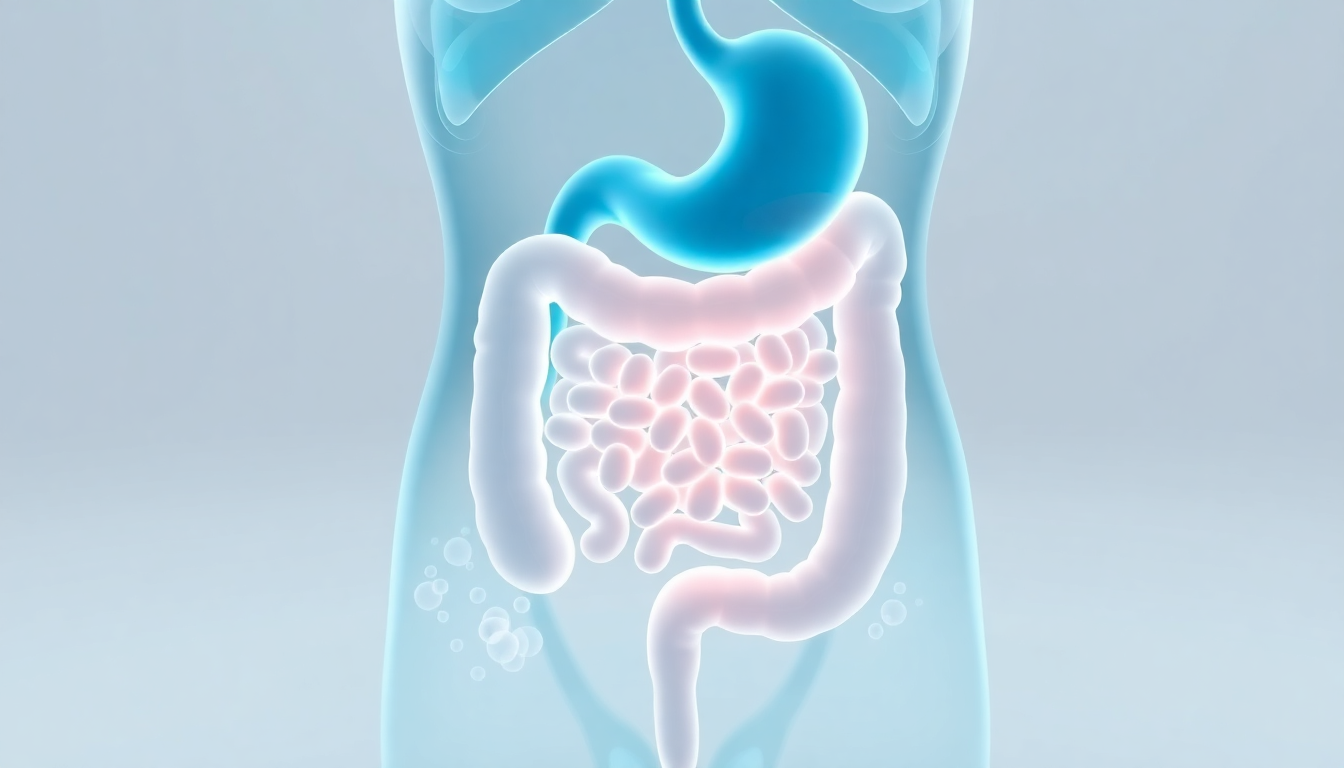
Clinical data shows retatrutide may cause slightly less nausea than semaglutide, with incidence rates of 38-43% compared to about 44% for semaglutide [1][2]. However, both drugs share similar gastrointestinal side effect profiles, peaking during dose escalation [1][2][3]. This breakdown compares retatrutide less nausea compared to semaglutide side effects using Phase 3 trial evidence like TRIUMPH-4, highlighting tolerability, efficacy, and approval status [3][4].
Introduction to Retatrutide Less Nausea Compared to Semaglutide Side Effects
Why Compare Retatrutide and Semaglutide?
Retatrutide and semaglutide are both injectable weight loss drugs that target gut hormones to reduce appetite [1][2]. People often search for retatrutide less nausea compared to semaglutide side effects because nausea is a top complaint with GLP-1 drugs like Ozempic or Wegovy. Comparing them helps patients weigh benefits against tolerability.
Semaglutide is the current leader with years of real-world use [2]. Retatrutide, a newer triple-agonist, promises more weight loss but raises questions about side effects [1][4]. Direct comparisons from trials reveal nuanced differences in retatrutide less nausea compared to semaglutide side effects [1][2][3].
Overview of Clinical Trial Data
Phase 3 trials like TRIUMPH-4 for retatrutide report nausea in 38-43% of users across doses [1][3][4]. Semaglutide's STEP trials show around 44% nausea incidence [1][2]. No head-to-head studies exist, but cross-trial data suggests similar GI issues for both [1][2][3].
Discontinuation rates differ: 12-18% for retatrutide versus 7% for semaglutide [1][2]. Weight loss is higher with retatrutide at 20-30% body weight versus 10-20% for semaglutide [1][2][4]. These factors influence choices in managing obesity.
Key Takeaway: Is Retatrutide Truly Less Nauseating?
Retatrutide shows marginally lower nausea rates, but risk ratios versus placebo are higher at upper doses [1][3]. Both drugs cause mostly mild-to-moderate symptoms that improve over time [1][2]. Retatrutide less nausea compared to semaglutide side effects holds in some data, yet overall tolerability needs more study [1][2][3].
What Is Retatrutide? Mechanism and Development Status
Triple Agonist Mechanism: GLP-1, GIP, and Glucagon Receptors
Retatrutide activates three receptors: GLP-1, GIP, and glucagon [1][4]. This triple action boosts insulin, curbs appetite, and burns fat more effectively than single agonists [1][4]. Learn more about the retatrutide triple agonist mechanism.
Unlike semaglutide's GLP-1 focus, glucagon adds energy expenditure benefits [1][2][4]. This design drives superior weight loss but may influence side effects like nausea [1][4].
Dosing Schedule: Once-Weekly Up to 12 mg
Retatrutide is given once weekly, starting low and escalating to 4 mg, 8 mg, or 12 mg [1][4]. Slow titration minimizes GI upset [1]. Higher doses link to more nausea but greater efficacy [1][3].
Phase 3 Trials: TRIUMPH-4 and Ongoing Status
TRIUMPH-4 showed 24% average weight loss at 48 weeks [3][4]. Nausea peaked early but was tolerable for most [1][3]. Trials continue to build safety data (TRIUMPH Phase 3 trials timeline) [3][4].
Semaglutide Overview: The Established GLP-1 Standard
Single Agonist Mechanism: GLP-1 Receptor Only
Semaglutide mimics GLP-1 to slow digestion and signal fullness [2]. This proven mechanism aids diabetes control and weight loss [2]. It lacks GIP or glucagon action, leading to steadier but less dramatic results [1][2].
Approved Dosing: Up to 2.4 mg Weekly
Wegovy doses escalate to 2.4 mg weekly over 16 weeks [2]. This schedule balances efficacy and side effects like nausea [1][2].
FDA Approval for Diabetes and Weight Loss
Approved since 2017 for diabetes (Ozempic) and 2021 for obesity (Wegovy) [2]. Long-term data shows cardiovascular benefits, like 20% lower major events (SELECT trial) [2][5].
Direct Nausea Comparison: Retatrutide vs. Semaglutide
Nausea Incidence Rates: 38-43% vs. ~44%
In TRIUMPH-4, retatrutide nausea ranged 38-43% by dose [1][3][4]. Semaglutide hit 44% in STEP 1 [1][2]. This supports retatrutide less nausea compared to semaglutide side effects, though differences are small (Lilly Phase 3 data) [1][2][3].
| Dose Level | Retatrutide Nausea | Semaglutide Nausea |
|---|---|---|
| Low | 38% | ~40% |
| High | 43% | 44% |
Risk Ratios and Dose-Dependent Effects
Retatrutide's nausea risk versus placebo: 2.69 at 4 mg, up to 4.27 at 8 mg [1][3]. Semaglutide shows similar dose links [1][2]. Effects worsen with faster escalation [1].
No Head-to-Head Trials: What the Data Shows
Cross-trial comparisons limit conclusions [1][2]. Both peak at 4-8 weeks [1][2][3]. Retatrutide's profile appears comparable, not superior [1][2][3].
Full Side Effects Profile: Beyond Nausea
Gastrointestinal Side Effects: Vomiting, Diarrhea, and More
Retatrutide: vomiting 20-21%, diarrhea 33-35% [1][3]. Semaglutide: vomiting 24%, diarrhea 30% [1][2]. Constipation and bloating affect both equally [1][2].
- Common to both: Heartburn, abdominal pain [1][2].
- Retatrutide higher: Diarrhea slightly [1].
- Semaglutide higher: Vomiting marginally [1][2].
Discontinuation Rates: 12-18% vs. ~7%
Higher for retatrutide, but some due to rapid weight loss fears [1]. GI intolerance drives most stops [1][2].
Unique Safety Signals: Dysesthesia and Heart Rate vs. Pancreatitis
Retatrutide: Dysesthesia (skin tingling) up to 20.9%; possible heart rate rise [1][3]. See tips for managing retatrutide dysesthesia. Semaglutide: Rare pancreatitis, gallbladder issues [1][2].
| Signal | Retatrutide | Semaglutide |
|---|---|---|
| Dysesthesia | 20.9% | Rare |
| Pancreatitis | Rare | Rare |
| Heart Rate | Increase | Neutral |
Symptom Timeline and Severity: What to Expect
Peak During Dose Escalation: 4-8 Weeks
Nausea hits hardest weeks 1-8 for both drugs [1][2]. Evidence for retatrutide less nausea compared to semaglutide side effects may ease this period, but monitor closely [1][2][3].
Mild-to-Moderate Events in Most Cases
Over 90% of GI events are mild-moderate [1][2]. Severe cases rare, under 5% [1].
Improvement Over Time for Both Drugs
Symptoms fade as body adapts, often by week 12 [1][2]. Long-term use shows sustained tolerability [2].
Efficacy Comparison: Weight Loss and Beyond
Retatrutide: 20-30% Body Weight Loss
TRIUMPH-4: Up to 24.2% loss at 48 weeks; faster onset [1][3][4]. See TRIUMPH-4 weight loss results.
Semaglutide: 10-20% Steady Reduction
STEP trials: 15-17% over 68 weeks [1][2]. Reliable for maintenance [2].
Trade-Offs: Greater Efficacy vs. Tolerability
Retatrutide wins on weight loss; semaglutide on proven safety [1][2][4]. Greater efficacy may offset minor differences in retatrutide less nausea compared to semaglutide side effects [1][2][3][4]. Check retatrutide vs semaglutide long-term weight loss.
| Metric | Retatrutide | Semaglutide |
|---|---|---|
| Weight Loss | 20-30% | 10-20% |
| Speed | Faster | Steady |
FDA Approval and Legal Status
Retatrutide: Investigational, Phase 3 Not Approved (2026)
Phase 3 ongoing; NDA possible 2026 [3][4]. Not available outside trials [3][4].
Semaglutide: Fully Approved with Long-Term Data
Safe for chronic use; oral option exists [2].
Expected Timelines for Retatrutide NDA
Completion by mid-2026; approval follows if positive (ClinicalTrials.gov) [3][4].
Strategies to Minimize Side Effects
Stepwise Dose Titration Best Practices
Escalate slowly over 16-20 weeks [1][2]. Follow retatrutide dosage schedule.
- Start at 1-2 mg.
- Increase every 4 weeks.
- Pause if nausea severe.
Slow titration helps leverage any advantage in retatrutide less nausea compared to semaglutide side effects [1][2].
Lifestyle Tips for GI Tolerance
Eat small meals, avoid fatty foods, stay hydrated. Ginger or antacids help mild nausea.
When to Consult a Doctor
Seek help for persistent vomiting, dehydration, or dysesthesia. Monitor heart rate [1].
Conclusion: Does Retatrutide Offer Less Nausea?
Balanced Verdict from Clinical Data
Retatrutide shows 38-43% nausea versus 44% for semaglutide—slightly less but not transformative [1][2]. Retatrutide less nausea compared to semaglutide side effects is plausible yet unproven head-to-head [1][2][3].
Future Outlook with More Trials
Phase 3 data will clarify long-term profiles [3][4]. Cardiovascular outcomes pending [2].
Personalized Choice Factors
Weigh weight loss goals against side effect tolerance and approval status [1][2][4]. Consult providers for tailored advice.
Related Articles
- retatrutide triple agonist mechanism
- managing retatrutide dysesthesia
- retatrutide vs semaglutide long-term weight loss
- TRIUMPH Phase 3 trials timeline
- retatrutide dosage schedule
References
Sourcing research‑grade retatrutide?
Compare verified research peptide vendors, review COAs, and evaluate pricing with our comprehensive buyer's guide. All materials are intended strictly for in‑vitro laboratory research.
Ready to explore medical weight management?
Consult with US-based telehealth providers to discuss FDA-approved GLP-1 medications and personalized obesity treatment plans.