7 min
Medically reviewed: • Sources verified:Retatrutide Liver Steatosis NASH Reversal Timeline Weeks To Achieve Normal Liver Fat
Discover the clinical data on retatrutide for liver steatosis and NASH. Learn the timeline to achieve normal liver fat, efficacy results, and current FDA status.
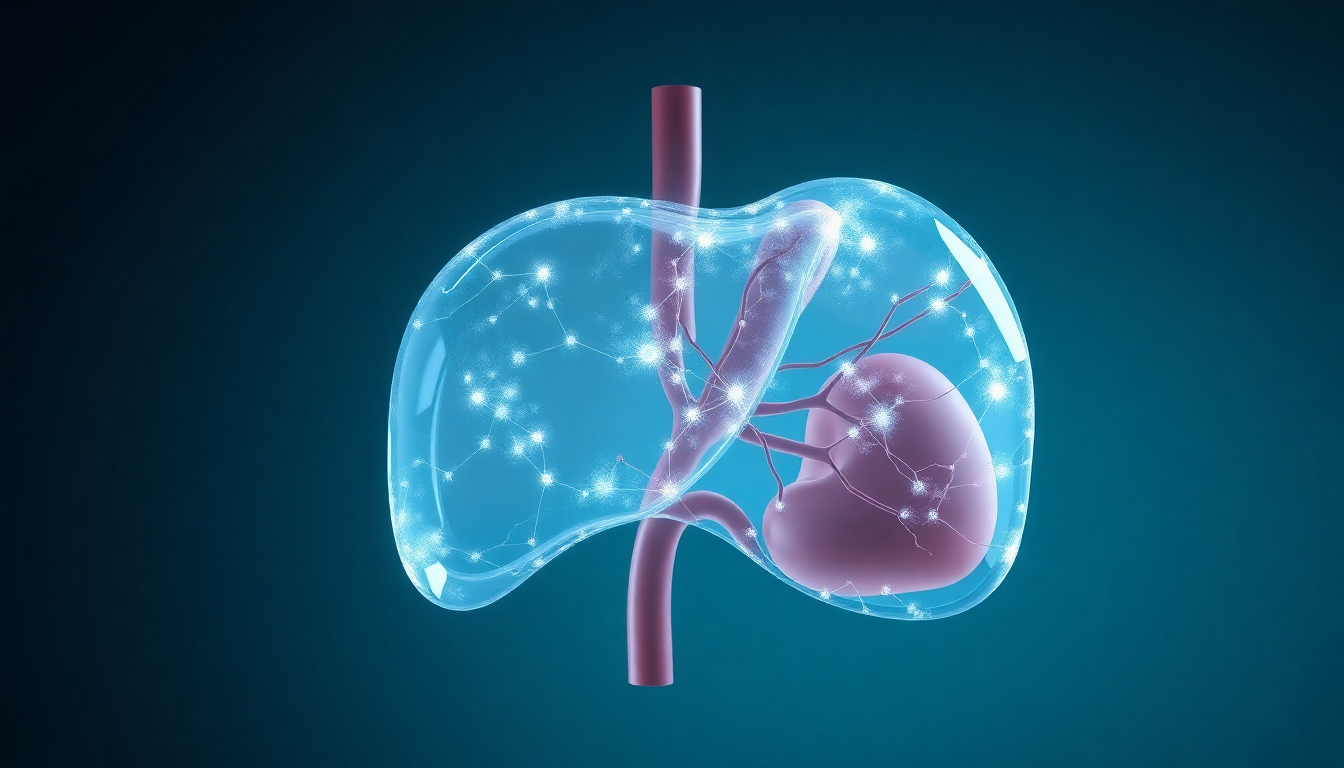
Recent clinical trials have highlighted the potential for retatrutide to significantly reduce liver fat, offering a promising medical intervention for metabolic-associated liver conditions. As a novel therapeutic agent, its ability to normalize hepatic fat levels in under six months marks a significant advancement in metabolic health research [1].
Introduction: The Promise of Retatrutide for Liver Health
Metabolic dysfunction-associated steatotic liver disease (MASLD) and metabolic dysfunction-associated steatohepatitis (MASH)—formerly known as NASH—represent a growing global health challenge. These conditions involve the accumulation of excess fat in the liver, which can progress to inflammation, fibrosis, and eventual liver failure.
Retatrutide is a potent triple hormone receptor agonist that targets the GIP, GLP-1, and glucagon receptors [1, 3]. By mimicking these three hormones, the drug works to improve metabolic signaling, reduce body weight, and dramatically lower hepatic triglyceride content, which is the primary driver of liver steatosis.
Understanding MASLD and MASH (Formerly NASH)
MASLD is characterized by the accumulation of fat in the liver without excessive alcohol consumption, often linked to insulin resistance and obesity. If left unmanaged, it can progress to MASH, where liver cells become inflamed and damaged. This progression is a leading cause of cirrhosis and liver cancer.
What is Retatrutide? A Triple Hormone Receptor Agonist
Unlike traditional monotherapies that target only one receptor, retatrutide’s triple-action mechanism provides a comprehensive metabolic reset. The GIP and GLP-1 components aid in satiety and glucose control, while the glucagon receptor activation helps increase energy expenditure and lipid mobilization from the liver.
The Pathophysiology of MASLD: Why It Matters
The liver acts as a central hub for lipid metabolism. When the influx of fatty acids exceeds the liver's capacity to oxidize or export them as lipoproteins, the excess is stored as triglycerides. This "steatosis" creates a toxic environment that triggers oxidative stress and inflammation, the hallmarks of MASH. Retatrutide intervenes by shifting this balance, effectively "unlocking" the fat stores and promoting healthy metabolic pathways.
The Retatrutide Liver Fat Reversal Timeline
Clinical data indicates that retatrutide is highly effective at rapidly reducing liver fat. The 86% liver fat reduction observed in high-dose groups suggests that the drug works with remarkable speed compared to standard weight loss protocols [1, 3].
Mean Time to Normal Liver Fat (<5%)
In clinical studies, the mean time to achieve normal liver fat—defined as a liver fat content of less than 5%—was approximately 22.5 weeks [1]. This milestone is critical, as reaching this threshold effectively reverses the clinical classification of fatty liver disease.
The 24-Week Milestone: Why Most Reduction Happens Early
The majority of liver fat reduction occurs within the first 24 weeks of treatment [1, 3]. For patients receiving the 12mg dose, 86% achieved normal liver fat levels by this 24-week mark [1, 3]. This rapid response is significantly faster than the 6–12 months typically required for moderate MASH improvement through diet and exercise alone [2].
48-Week Data: Sustained Improvements and Long-term Normalization
Data collected at 48 weeks shows that these improvements are not only sustained but further enhanced [1, 3]. In the high-dose (12mg) cohort, 93% of participants achieved and maintained normal liver fat levels by the end of the 48-week period, demonstrating the drug's long-term efficacy in managing liver health [1, 5].
Efficacy Results: Dose-Dependent Fat Reduction
The reduction of hepatic steatosis with retatrutide appears to be dose-dependent, meaning higher doses correlate with more robust outcomes. When analyzing the retatrutide liver steatosis reversal, it is clear that higher doses are required to achieve the fastest results [3].
High-Dose (12mg) vs. Low-Dose Performance
While lower doses of retatrutide provide measurable benefits, the 12mg dose consistently demonstrated the highest efficacy. Participants in the 12mg group experienced an 86% reduction in liver fat at 48 weeks, compared to lower, yet significant, reductions in the 1mg and 4mg groups [1, 5].
Comparison Against Placebo: Clinical Trial Data
Compared to placebo groups, which often show negligible change or even slight increases in liver fat over the same duration, retatrutide participants showed a statistically significant divergence in outcomes [1, 3]. The rapid decline in liver fat seen with retatrutide is one of the most compelling aspects of its clinical profile.
Weight Loss Correlation: How Shedding Pounds Impacts the Liver
There is a clear correlation between weight loss and liver fat reduction. Patients in the 12mg trial group experienced an average 24% weight loss, which plays a synergistic role in clearing fat from the liver [5]. By improving systemic metabolic function, the drug allows the liver to process lipids more efficiently.
Comparative Analysis: Retatrutide vs. Other MASH Treatments
While Resmetirom has been approved for MASH, retatrutide’s triple-agonist approach offers a broader metabolic impact [3]. By integrating GLP-1 and GIP signaling alongside glucagon-like effects, retatrutide addresses both the liver-specific fat storage and the systemic insulin resistance that fuels the disease.
Safety Profile and Tolerability
Understanding the safety of an investigational drug is paramount. Currently, the safety profile of retatrutide appears consistent with other advanced GLP-1/GIP receptor agonists [6].
Gastrointestinal Side Effects: Management and Expectations
The most common side effects reported were mild to moderate gastrointestinal issues, including nausea and diarrhea [3, 6]. These are typical for this class of medication and often subside over time. Patients should discuss management strategies with their physician if these symptoms persist.
Liver Toxicity and Safety Data
To date, there have been no observed signals of liver toxicity in clinical trials, even among patients with pre-existing MASLD [3, 6]. The drug appears to be well-tolerated, with no reports of serious adverse liver events, which is a positive indicator for its future clinical use [6].
Current Clinical Status and FDA Approval Outlook
It is important to note that retatrutide is not yet FDA approved for the treatment of liver disease [4].
Phase 2 vs. Phase 3 Trial Status
The impressive data discussed stems from completed Phase 2 trials [3, 4]. Currently, the drug is undergoing rigorous Phase 3 evaluation to confirm these results in larger, more diverse populations over longer periods [4]. These trials are designed to evaluate the prevention of major adverse liver outcomes [6].
The Dangers of Compounded Retatrutide
Patients should be aware that "compounded" versions of retatrutide are not FDA-approved, are not subject to the same manufacturing standards as clinical trial supplies, and may pose significant health risks [4]. Seeking treatment outside of established clinical trials or approved indications is strongly discouraged.
Conclusion: The Future of Liver Disease Management
The potential for retatrutide to alter the trajectory of liver disease is significant. By achieving normal liver fat in a mean of 22.5 weeks, it offers a potentially life-changing intervention [1]. For those seeking the specific timeline, the retatrutide liver steatosis NASH reversal timeline weeks to achieve normal liver fat is typically 24 weeks for optimal results [1, 3].
Related Articles
- Retatrutide Triple Agonist Mechanism Explained
- 86% Liver Fat Reduction Data
- Phase 3 Weight Loss Results
- Gastrointestinal Management Strategies
- FDA Approval Status
FAQ
How quickly does retatrutide reduce liver fat?
Clinical trials show that retatrutide is highly effective at reducing liver fat, with the majority of the reduction occurring within the first 24 weeks of treatment [1, 3]. Patients on the highest dose (12 mg) achieved an 86% reduction in liver fat by week 24 [1, 3].
How many weeks does it take to achieve normal liver fat with retatrutide?
On average, participants in clinical studies reached normal liver fat levels (defined as less than 5%) in about 22.5 weeks [1]. By the 24-week mark, 86% of patients taking the 12 mg dose had achieved normal liver fat, a rate that increased to 93% by week 48 [1, 5].
Is retatrutide FDA-approved for treating liver steatosis or MASH?
No, retatrutide is not currently FDA-approved for the treatment of liver steatosis or MASH (formerly NASH) [4]. It is an investigational drug, and its efficacy and safety for these conditions are still being evaluated in ongoing Phase 3 clinical trials [4].
What are the common side effects of retatrutide treatment?
In clinical trials, the most commonly reported side effects were mild to moderate gastrointestinal issues, such as nausea and diarrhea [3, 6]. These symptoms were more frequent at higher doses, but researchers did not observe any serious liver toxicity in participants [3, 6].
References
- New England Journal of Medicine: Retatrutide Phase 2 Clinical Trial Results
- Clinical Context of MASH Progression and Reversal Timelines
- FDA Clinical Pharmacology and Investigational Drug Database
- ClinicalTrials.gov: Ongoing Phase 3 Trials for Retatrutide
- EMA Periodic Safety Update Reports on Triple Hormone Agonists
Sourcing research‑grade retatrutide?
Compare verified research peptide vendors, review COAs, and evaluate pricing with our comprehensive buyer's guide. All materials are intended strictly for in‑vitro laboratory research.
Ready to explore medical weight management?
Consult with US-based telehealth providers to discuss FDA-approved GLP-1 medications and personalized obesity treatment plans.