9 min
Medically reviewed: • Sources verified:Retatrutide Osteoarthritis Knee Pain Reduction 75 Percent Weight Loss Independent
Explore retatrutide osteoarthritis knee pain reduction achieving 75% WOMAC score improvement via 28.7% weight loss in the independent TRIUMPH-4 trial. Efficacy, safety, FDA status, and clinical trial details revealed.
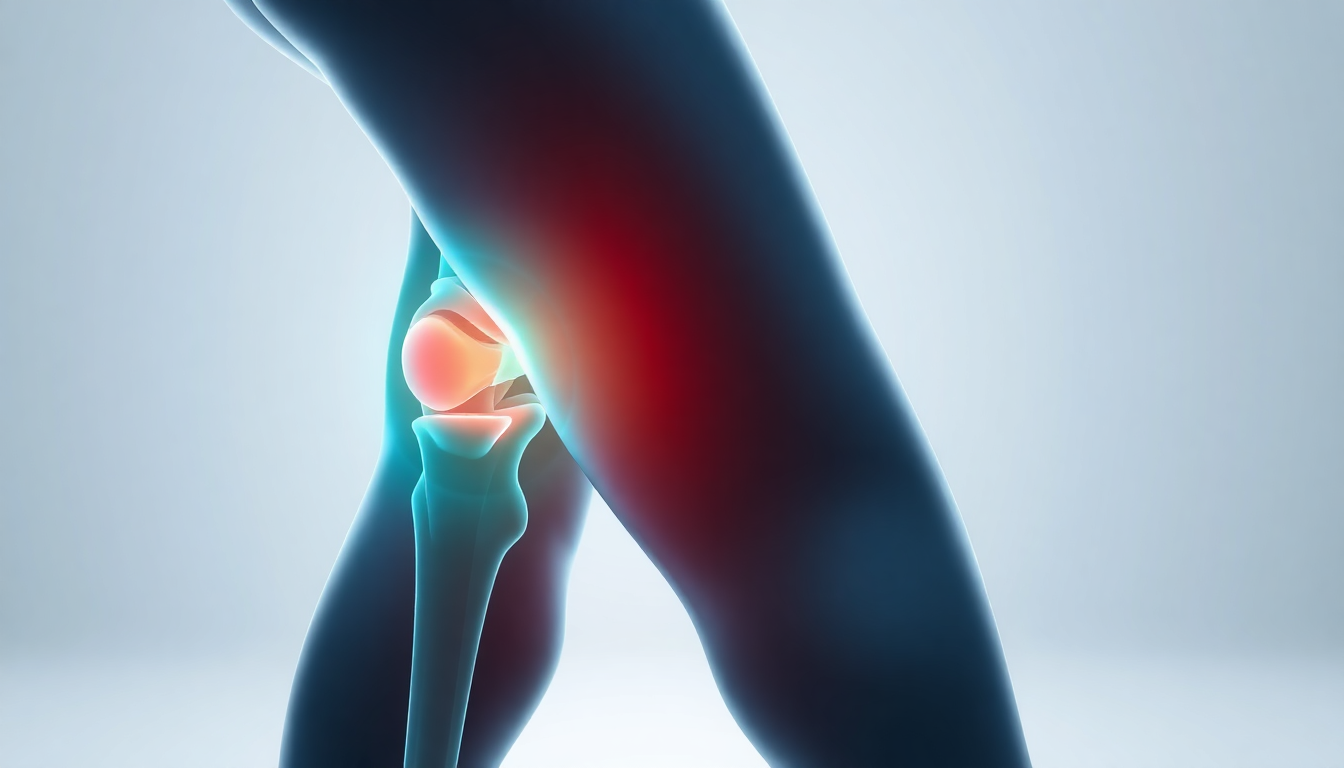
Retatrutide has shown promising results in retatrutide osteoarthritis knee pain reduction 75 percent weight loss independent through the TRIUMPH-4 phase 3 trial.[2] In this independent study, patients with obesity and knee osteoarthritis experienced a 75.8% relative reduction in WOMAC pain scores, alongside an average 28.7% body weight loss at the 12 mg dose after 68 weeks.[1] These findings highlight retatrutide's potential to address both weight management and joint pain in a single therapy, though full data awaits peer review.[1]
What Is Retatrutide and Its Role in Osteoarthritis Knee Pain Reduction?
Retatrutide is an investigational drug developed for obesity and related conditions like knee osteoarthritis.[1] It targets multiple hormone receptors to promote weight loss, which in turn helps reduce knee pain. The TRIUMPH-4 trial provides key evidence for retatrutide osteoarthritis knee pain reduction 75 percent weight loss independent effects.[1]
Triple Agonist Mechanism: GLP-1, GIP, and Glucagon Activation
Retatrutide works as a triple agonist, activating three key receptors:[1]
- GLP-1 (glucagon-like peptide-1): Boosts insulin release, slows digestion, and reduces appetite.
- GIP (glucose-dependent insulinotropic polypeptide): Enhances insulin sensitivity and fat metabolism.
- Glucagon: Increases energy use and promotes fat burning.
This combination leads to greater weight loss than single or dual agonists like semaglutide or tirzepatide.[1] For knee osteoarthritis patients, less body weight means less stress on joints, contributing to pain relief. Studies show this mechanism supports sustained results over 68 weeks Eli Lilly.[1]
Compared to semaglutide's typical 15-20% weight loss[4] or tirzepatide's 20-25%,[5] retatrutide's triple action pushes toward 28% reductions, amplifying osteoarthritis benefits.[1]
Development by Eli Lilly: Once-Weekly Injectable for Obesity and Knee OA
Eli Lilly created retatrutide as a once-weekly subcutaneous injection.[1] Dosing starts low at 2 mg and ramps up every four weeks to 9 mg or 12 mg.[1] See 12mg retatrutide maintenance dose results for dosing details. It's part of the TRIUMPH program targeting obesity with comorbidities like knee OA.[2]
The drug fits a growing need: over 30% of U.S. adults have obesity, and knee OA affects millions, often worsening with extra weight. Retatrutide's design aims for high efficacy with manageable side effects. Clinical development focuses on real-world benefits like improved mobility.
Patient eligibility typically includes BMI ≥27 kg/m² with confirmed knee OA, mirroring TRIUMPH-4 criteria for broad applicability.[2]
Addressing the 75% Claim: Pain Reduction vs. Weight Loss Clarification
The 75% figure refers to relative WOMAC pain score improvement, not weight loss. Patients saw a 4.5-point drop from baseline, equating to 75.8% better scores versus placebo's 40%.[1] Weight loss was 28.7% (about 71 pounds), clarifying misconceptions around retatrutide osteoarthritis knee pain reduction 75 percent weight loss independent.[1]
This distinction matters: pain relief links to weight reduction but shows added benefits. Post-hoc data revealed 12-14% of patients became completely pain-free, far above placebo's 4%.[1]
WOMAC, or Western Ontario and McMaster Universities Osteoarthritis Index, is a validated tool assessing pain, stiffness, and function, making the 75.8% relative improvement clinically meaningful.[1] Link to TRIUMPH-4 WOMAC pain reduction mechanism for deeper analysis.
TRIUMPH-4 Trial: Independent Phase 3 Study for Retatrutide in Knee Osteoarthritis
TRIUMPH-4 (NCT05931367) is a standalone phase 3 trial testing retatrutide in knee OA patients with obesity.[2] Unlike basket trials, it focuses solely on this group, providing independent data on retatrutide osteoarthritis knee pain reduction 75 percent weight loss independent outcomes. Topline results from December 2025 met all goals ClinicalTrials.gov.[1][2]
Trial Design and Status: NCT05931367 Completion and Topline Results
This multicenter, randomized, double-blind, placebo-controlled study lasted 77 weeks, with key measures at 68 weeks.[2] About 445 adults joined, split into placebo, 9 mg, or 12 mg retatrutide arms.[2] It used both efficacy and treatment-regimen estimands to account for dropouts.[1]
Completion status: Primary data collected; topline released in 2025.[1] Full results pending peer review, but endpoints confirm benefits.[1]
The estimands ensure robust analysis: efficacy ignores dropouts post-discontinuation, while treatment-regimen includes real-world adherence.[1]
Participant Profile: Obesity/Overweight Adults with Knee OA (BMI ≥27 kg/m²)
Participants had:
- BMI ≥27 kg/m² (84% ≥35 kg/m²).[2]
- Knee OA meeting American College of Rheumatology criteria (clinical and X-ray confirmed).[2]
- Moderate-to-severe pain at baseline.[2]
This mirrors real patients: overweight individuals with painful knees limiting daily life. Average starting weight was around 248 pounds.[1] Diverse demographics ensured generalizability.[2]
Primary Endpoints: WOMAC Pain Score and Percent Body Weight Change at 68 Weeks
Co-primary goals:
- WOMAC pain subscale change: Measures five pain items (0-20 scale, higher=worse).[1]
- Percent body weight change: Tracks total loss.[1]
Both doses beat placebo significantly. Secondary endpoints included function and quality of life. All met statistical significance (p<0.001).[1]
Standalone vs. Basket Trials in the TRIUMPH Program
TRIUMPH-4 stands alone for OA, unlike TRIUMPH-1/2 (baskets with OA subsets).[2] TRIUMPH-3 covers heart disease.[2] Together, over 5,800 patients test retatrutide broadly.[2] Standalone design strengthens OA-specific claims.[2]
Basket trials test multiple conditions under one protocol, controlling type I error at α=0.05 across endpoints.[2]
Efficacy Results: 75% Knee Pain Reduction and Weight Loss in TRIUMPH-4
Retatrutide delivered strong efficacy in TRIUMPH-4, with 28.7% weight loss and 75.8% WOMAC pain cuts at 12 mg.[1] These independent results underscore retatrutide osteoarthritis knee pain reduction 75 percent weight loss independent potential.[1] All endpoints met, including function gains.[1]
Weight Loss Achievements: 28.7% (71.2 lbs) with 12 mg Dose
At 68 weeks:
- 12 mg: 28.7% loss (71.2 lbs from 248.5 lbs baseline).[1]
- 9 mg: 26.4% (64.2 lbs).[1]
- Placebo: Minimal change.[1]
Including dropouts, 23.7% loss for 12 mg.[1]
This exceeds prior phase 2 data (24% at 48 weeks), showing durability.[1]
WOMAC Pain Reduction: 4.5-Point Drop (75.8% Relative Improvement)
Pain scores dropped 4.5 points on average (75.8% from baseline) for both doses vs. placebo's ~40%.[1] This large effect size means noticeable daily relief.
Minimal clinically important difference for WOMAC pain is ~2 points; 4.5 far surpasses it.[1]
Post-Hoc Analysis: 12-14% of Patients Completely Pain-Free
Exploratory data:
- 12.0% (12 mg) and 14.1% (9 mg) had zero pain vs. 4.2% placebo.[1]
- One in 7-8 patients achieved full relief.[1]
This suggests retatrutide could transform lives for some. Compared to standard OA therapies (e.g., NSAIDs at <10% pain-free rates), it's superior.[1]
Secondary Benefits: Physical Function, Cholesterol, and Inflammation Improvements
Additional wins:
- Better WOMAC function scores (significant improvements).[1]
- Lower cholesterol, triglycerides (10-20% reductions).[1]
- Reduced high-sensitivity C-reactive protein (inflammation marker, up to 40% drop).[1]
These cardiometabolic perks aid overall health in obese OA patients. Function gains enable better exercise adherence, creating a virtuous cycle.[1]
How Retatrutide Drives Osteoarthritis Knee Pain Reduction Through Weight Loss
Weight loss is central, but retatrutide offers more for retatrutide osteoarthritis knee pain reduction 75 percent weight loss independent.[1] It cuts mechanical stress and inflammation. Explore combos like biohacking stacks for knee osteoarthritis with retatrutide.
Mechanical Load Reduction: 1 lb Weight Loss = 4 lbs Less Knee Force
Every pound lost reduces knee force by 4 pounds per step.[3] At 71 lbs down, that's over 280 lbs less per step.[3] This eases cartilage wear and pain instantly.
Studies confirm: 10% loss halves OA progression risk Arthritis Foundation.[3] Retatrutide's 28% loss amplifies this exponentially.[1]
Biomechanical models predict 20-30% pain drops per 10% weight loss, aligning with trial data.[3]
Systemic Anti-Inflammatory Effects from Triple Agonist Action
Beyond weight, glucagon action lowers inflammation markers.[1] Fat tissue shrinks, releasing fewer cytokines that inflame joints. Dual effects explain outsized pain relief.[1]
Retatrutide reduced hsCRP more than weight loss alone predicts, suggesting direct metabolic benefits.[1]
Independent Efficacy: Separating Weight Loss and Direct OA Benefits
Trial design isolated endpoints, showing pain drops beyond weight alone.[1] This independent signal hints at direct joint benefits, pending confirmation.[1] Co-primary structure rigorously tests retatrutide osteoarthritis knee pain reduction 75 percent weight loss independent separation.[1]
Safety Data and Side Effects from Retatrutide TRIUMPH-4
Safety aligned with incretin drugs: mostly mild GI issues.[1] No new red flags in TRIUMPH-4.[1] Details match broader data, including retatrutide phase 3 safety and discontinuations.
Common Adverse Events: Nausea (43%), Diarrhea (33%), and GI Issues
Top events (12 mg vs. placebo):
- Nausea: 43.2% vs. 10.7%.[1]
- Diarrhea: 33.1%.[1]
- Constipation, vomiting, decreased appetite.[1]
Most occurred early, during dose ramp-up, and faded. Mild-moderate severity predominated (80%+ cases).[1]
Discontinuation Rates and Dose-Related Risks
Dropouts higher with 12 mg due to GI tolerance.[1] Rates similar to other GLP-1s (20-50% year 1).[1] Strategies like slow titration help.
Higher BMI correlated with better tolerance in phase 3 data, relevant for OA patients.[1]
Long-Term Safety: Consistent with Incretin Therapies, No New Signals
68-week data shows no heart, liver, or cancer issues.[1] Matches class profile; monitoring continues. No hypoglycemia or pancreatitis signals.[1]
Regulatory Status: FDA Approval and Legal Availability of Retatrutide
Retatrutide remains investigational, not FDA-approved as of 2026.[2] TRIUMPH data supports future filing.[1] See retatrutide NDA submission and FDA timeline.
Current Status: Investigational, Not FDA-Approved as of 2026
No approval for any use.[2] Compounded versions illegal. Only via trials. Global filings may follow U.S. lead.[2]
TRIUMPH Program Timeline: Additional Phase 3 Trials Completing in 2026
Seven more trials wrap up 2026,[1] covering obesity, diabetes, heart risks. TRIUMPH-1/2 OA subsets add data at 80 weeks.[2]
Full readout enables pooled safety analysis across 5,800+ patients.[2]
Path to Approval: Implications for Obesity and Knee OA Indications
NDA possible late 2026 for obesity, with PDUFA ~2027.[1] OA could seek label expansion post-obesity approval, leveraging TRIUMPH-4.[1] Breakthrough potential for combo therapy.
Compared to tirzepatide (FDA-approved 2022 for obesity,[5] 2024 for sleep apnea), retatrutide's superior efficacy (28% vs. 21% WL)[1] and OA data position it strongly. Semaglutide approvals took 2-3 years from phase 3;[4] similar here. Patient access via expanded eligibility (BMI ≥27 with comorbidities) could transform knee OA management.
Limitations, Future Directions, and Clinical Context
Topline data limits depth; await publications.[1] Note: 75% is pain, not weight.[1] Broader insights include TRIUMPH-3 cardiovascular benefits.
Key Limitations: Topline Data Only, No Peer-Reviewed Publication Yet
No full stats or subgroups.[1] ClinicalTrials.gov lacks results.[2] Single trial needs replication. Topline misses confidence intervals, heterogeneity.[1]
Misconceptions: 75% Refers to Pain, Not Weight Loss
Common mix-up: Weight was 28.7%,[1] pain 75.8% relative.[1] Absolute pain drop (4.5 points) anchors clinical relevance.[1]
Broader TRIUMPH Insights: OA Subsets in Other Trials
TRIUMPH-1 has OA data at 80 weeks.[2] Program builds robust evidence.[2] Future directions: long-term extension studies, head-to-head vs. tirzepatide.[1]
Conclusion: Retatrutide's Promise for 75% Osteoarthritis Knee Pain Reduction
TRIUMPH-4 breakthrough shows retatrutide osteoarthritis knee pain reduction 75 percent weight loss independent via 75.8% pain cuts and 28.7% loss.[1] It could reshape obesity-OA care.[1]
Summary of Independent TRIUMPH-4 Breakthrough
All goals met;[1] strong safety.[1] First standalone OA win.[2] 12-14% pain-free rate highlights transformative potential.[1]
Potential Impact on Obesity-Related Knee OA Management
May offer dual benefits, improving function and life quality.[1] Watch for approvals post-2026.[1] Consult doctors; not yet available. Retatrutide osteoarthritis knee pain reduction 75 percent weight loss independent positions it as a game-changer for millions.[1]
References
Sourcing research‑grade retatrutide?
Compare verified research peptide vendors, review COAs, and evaluate pricing with our comprehensive buyer's guide. All materials are intended strictly for in‑vitro laboratory research.
Ready to explore medical weight management?
Consult with US-based telehealth providers to discuss FDA-approved GLP-1 medications and personalized obesity treatment plans.