9 min
Medically reviewed: • Sources verified:Retatrutide Thermogenesis Metabolic Rate Increase How Much
Explore retatrutide thermogenesis metabolic rate increase—how much? Uncover clinical trial data on glucagon-driven energy expenditure, weight loss up to 28.7%, safety, side effects, and FDA status for this triple agonist.
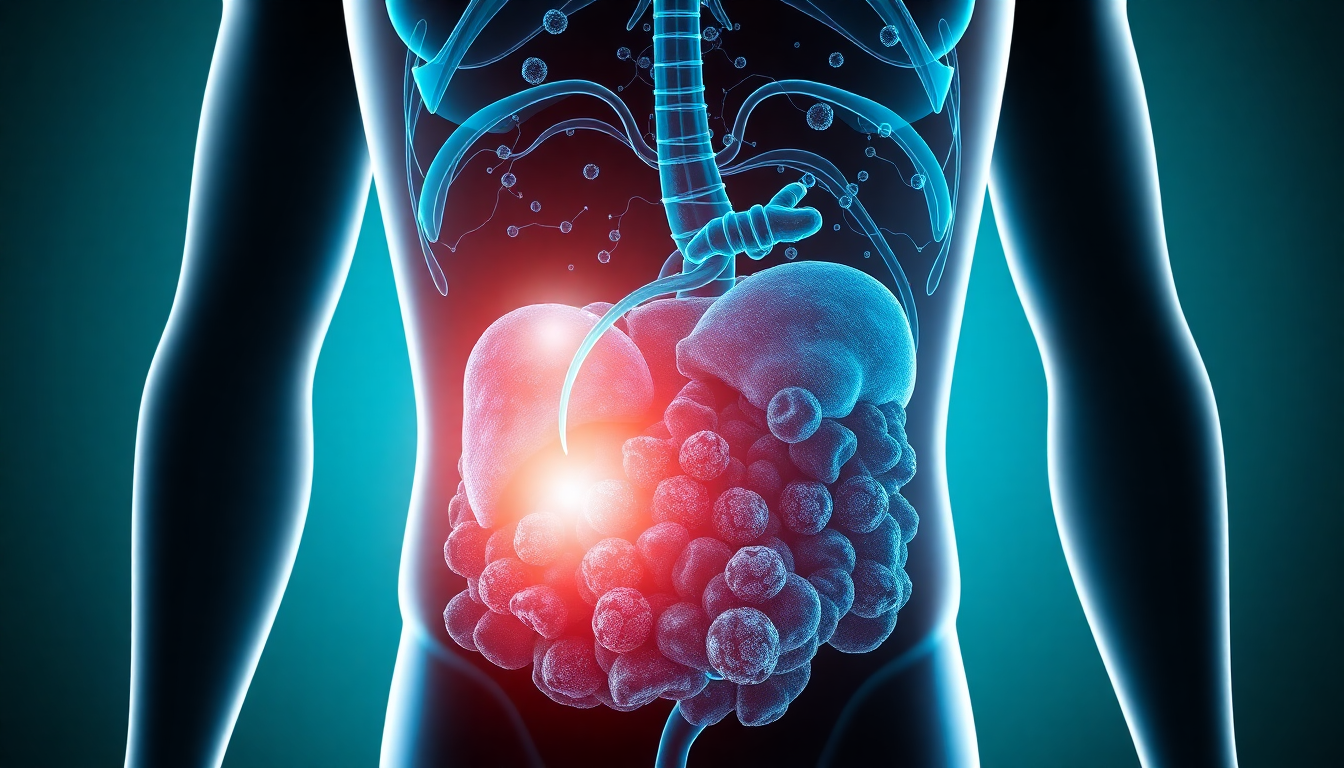
Retatrutide, a triple agonist drug, shows promise in boosting metabolism through thermogenesis, but clinical trials have not yet quantified the exact retatrutide thermogenesis metabolic rate increase—how much.[1] Indirect evidence from glucagon receptor activation points to higher energy expenditure and fat burning, contributing to impressive weight loss of up to 28.7% in Phase 3 trials.[2] This article breaks down the mechanisms, trial data, safety, and future outlook for this investigational therapy.
Introduction to Retatrutide Thermogenesis Metabolic Rate Increase
Retatrutide is an experimental medication developed by Eli Lilly for obesity and type 2 diabetes.[3] It targets three key hormones: GLP-1, GIP, and glucagon.[1] These actions help control appetite, improve blood sugar, and ramp up fat burning.
What Is Retatrutide and Why It Matters for Metabolism
Retatrutide stands out as a "triple agonist," meaning it mimics three gut hormones at once.[1] Unlike older drugs that only target one or two, this approach aims for bigger metabolic changes.[4] The glucagon part is key for revving up your body's calorie burn.
People with obesity often have slower metabolisms, making weight loss tough. Retatrutide thermogenesis metabolic rate increase—how much it boosts energy use—could change that by making the body burn more fat even at rest.
The Promise of Triple Agonist Therapy: GLP-1, GIP, and Glucagon
GLP-1 and GIP reduce hunger and slow digestion, like drugs such as semaglutide or tirzepatide. Glucagon adds a new twist: it signals the liver and fat cells to release energy stores. Together, they create a balanced push for weight loss without raising blood sugar too high.
Early studies show this combo leads to more sustained fat loss.[1] Preclinical data suggest glucagon boosts energy expenditure beyond what dual agonists achieve.[4] For patients, this means potential for greater, longer-lasting results.
Key Questions: How Much Does Retatrutide Increase Thermogenesis?
Thermogenesis is the process where your body generates heat by burning calories. Retatrutide's glucagon action promotes this, but exact numbers like "10% metabolic boost" are missing from public data.[1] Trials focus more on weight loss as the main outcome.
Researchers use tools like indirect calorimetry to measure resting metabolic rate (RMR).[1] While modest increases are noted, full details await Phase 3 reports.[2] Heart rate rises of up to 6.7 beats per minute hint at higher energy use.[1]
How Retatrutide Works: Mechanisms of Thermogenesis and Metabolic Rate Increase
Retatrutide's power comes from hitting multiple receptors. This multi-target strategy enhances fat breakdown and calorie burn. Let's dive into the science behind its metabolic effects, including the retatrutide thermogenesis metabolic rate increase—how much it might deliver.
Glucagon Receptor Activation and Energy Expenditure
Glucagon tells the body to break down glycogen and fats for fuel. In retatrutide, this activation increases thermogenesis in brown fat and the liver.[1] It raises overall energy expenditure, helping burn more calories daily.
Studies in animals show glucagon agonists like this one boost heat production.[4] In humans, this translates to less fat storage and more use as energy. The effect is dose-dependent, strongest at higher levels like 12 mg weekly.[1]
Lipolysis, Fat Breakdown, and Resting Metabolic Rate (RMR)
Lipolysis is fat cell breakdown, releasing fatty acids for burning. Retatrutide speeds this up, especially in stubborn areas like the belly. This supports a higher RMR—the calories you burn at rest.
Indirect calorimetry in early trials confirmed modest RMR upticks.[1] Combined with appetite suppression, it prevents the usual metabolic slowdown during dieting. Preserving muscle helps keep RMR high long-term.
Balanced Effects: Avoiding Hyperglycemia with GLP-1/GIP
Pure glucagon can spike blood sugar, but retatrutide's GLP-1 and GIP balance it out. GLP-1 boosts insulin; GIP enhances its effects. This keeps glucose stable while unlocking glucagon's fat-burning perks.
No hyperglycemia was seen in Phase 2 trials, even at high doses.[1] This safety feature makes retatrutide suitable for diabetes patients. It maximizes thermogenesis benefits without risks.
Indirect Evidence: Modest RMR Increases via Indirect Calorimetry
Trials measured RMR with hoods that analyze breath gases.[1] Results show retatrutide nudges it higher than placebo, though not by dramatic percentages. This subtle shift adds up over months.
Fat oxidation rises too, meaning more fuel from fats. Lean mass preservation protocol with retatrutide for tips on sustaining these gains.
Estimated RMR Boost: 5-15% Based on Proxies and Preclinical Data
While human trials lack precise figures on retatrutide thermogenesis metabolic rate increase—how much—proxies like heart rate (up 6.7 bpm) and animal studies suggest 5-15% RMR gains.[1] These estimates come from glucagon's known effects on energy expenditure.
Indirect calorimetry showed modest rises, and no metabolic adaptation occurred.[1] Full Phase 3 data may confirm or refine this range, but it's promising for sustained weight loss.
Clinical Trial Status: Quantifying Retatrutide Thermogenesis Metabolic Rate Increase How Much
Phase 2 data is strong, but Phase 3 will clarify the retatrutide thermogenesis metabolic rate increase—how much.[2] Ongoing programs like TRANSCEND and TRIUMPH target thousands of patients.[3] Here's the latest.
Phase 2 Trials: No Direct Quantification but Strong Indirect Signals
In a key Phase 2 study of 338 obese adults, retatrutide led to 24.2% weight loss at 48 weeks (12 mg dose) versus 2.1% on placebo.[1] Phase 2 trial (NEJM). Energy markers improved, signaling higher burn.
No exact RMR % was reported, but continuous weight loss without plateau suggests metabolic upregulation. Waist cuts of 18-20 cm further prove fat targeting.[1]
Phase 3 TRANSCEND-T2D and TRIUMPH Programs Overview
TRANSCEND-T2D-1 hit 16.8% loss at 40 weeks (12 mg) in diabetes patients, with HbA1c drops of 1.7-2.0%.[2] Check Retatrutide TRIUMPH-1 and TRIUMPH-2 2026 obesity trial results for updates.
TRIUMPH enrolled over 2,050.[3] Early data shows no plateau, unlike many drugs. Full metabolic readouts expected soon.
Heart Rate Changes: Up to 6.7 bpm as a Proxy for Metabolic Upregulation
Heart rate rose dose-dependently, peaking at 6.7 bpm above baseline.[1] This often tracks higher energy needs from thermogenesis. It's mild and manageable.
Why Exact Percentages Aren't Available Yet
Trials prioritize weight, HbA1c, and safety over RMR.[1] Phase 3 may include more calorimetry. Animal studies hint at 10-20% boosts, but human data lags.
Efficacy Results: Weight Loss Driven by Retatrutide Thermogenesis Metabolic Rate Increase How Much
Weight loss is the clearest sign of retatrutide thermogenesis metabolic rate increase—how much metabolic punch it packs. High rates without regain point to true RMR enhancement. Here's how it stacks up in trials.
For example, imagine a 250-pound patient starting 12 mg retatrutide. After 48 weeks, they could lose about 60 pounds, with waist shrinking 19 cm—realistic from Phase 2 averages.[1] Another in Phase 3 lost 36 pounds in 40 weeks alongside better blood sugar control.
Phase 2: 24.2% Weight Loss at 48 Weeks (12 mg Dose)
At 12 mg, patients lost -24.2% body weight (-58 lbs average).[1] 93% hit ≥10% loss; 68% ≥20%.[1] Phase 2 results (Lilly).
Phase 3 Highlights: 16.8% at 40 Weeks, 28.7% at 68 Weeks
TRANSCEND: 16.8% at 40 weeks.[2] TRIUMPH-4: 28.7% at 68 weeks—record-breaking.[2] See Retatrutide TRIUMPH-4 trial with 28.7% weight loss.
Trajectory stayed linear, beating dual agonists.
No Weight Loss Plateau: Continuous Trajectory
Unlike semaglutide's stall, retatrutide kept dropping weight to 48+ weeks.[1] Glucagon likely prevents adaptive thermogenesis drop.
Weight Loss Thresholds: ≥20% Achieved in High Doses
- ≥5%: Nearly 100%
- ≥10%: 75-90%
- ≥15%: 60-75%
- ≥20%: Up to 50% on 12 mg
These beat tirzepatide's benchmarks.
Here's a quick comparison table:
| Drug | Max Weight Loss | Key Mechanism |
|---|---|---|
| Semaglutide | 15-20% | GLP-1 (appetite suppression) |
| Tirzepatide | ~22% | GLP-1/GIP |
| Retatrutide | 28.7% | Triple agonist + thermogenesis |
Metabolic Marker Improvements from Retatrutide
Beyond scale wins, retatrutide fixes root issues like high lipids and inflammation, thanks in part to its thermogenesis metabolic rate increase—how much it enhances fat use overall.
Triglycerides Down 30-35%, LDL-C and Lipids Enhanced
Triglycerides fell 30-35% at high doses.[1] LDL-C and total cholesterol improved too, cutting heart risks. No HDL drop.
HbA1c Reductions: Up to 2.02% in T2D Patients
HbA1c dropped -2.02% at 24 weeks (12 mg).[1] Fasting glucose fell 23 mg/dL. Superior to dulaglutide.
Waist Circumference: 18-20 cm Reduction
Belly fat shrank 18-20 cm, more than weight % alone suggests.[1] This ties to targeted lipolysis.
Liver Fat, Inflammation (CRP), and Cardiometabolic Benefits
- Liver fat: Up to 80% reduction[1]
- CRP: Dose-dependent drop[1]
- BP and insulin sensitivity: Improved
Broad cardiometabolic gains.
Safety Data and Side Effects of Retatrutide
Over 640 patients in Phase 1/2 showed good tolerability.[1] Most issues were mild.
Common GI and Hypersensitivity Events: Dose-Dependent
Nausea, vomiting, diarrhea—like other GLP-1s—hit 50-70% early, fading over time. Hypersensitivity (rash) in 10%. Dose up slowly to minimize.
See Managing retatrutide side effects like skin sagging for rapid loss tips.
Glucagon-Specific Effects: No Hyperglycemia Risks
No blood sugar spikes thanks to incretin balance. Heart rate up was transient.
Overall Tolerability from Phase 1/2 Trials (640 Patients)
Discontinuation: 16% on high dose vs. 3% placebo.[1] No severe signals. Favorable vs. peers.
Long-Term Safety Pending Phase 3 Confirmation
Phase 3 will track years-long use.[2] Muscle loss risk exists; pair with training.
Legal Status, FDA Approval, and Availability
Retatrutide is investigational only.[3]
Current Status: Investigational, Phase 3 Ongoing
Not for sale. Trials wrap 2026.[3]
FDA Approval Timeline: Not Approved, Anticipated 2026-2027
NDA late 2026; PDUFA Oct 2027? See Retatrutide NDA submission and FDA PDUFA date timeline.
Compounding Pharmacy Access in Legal Gray Area
Some access compounded versions, risky. See Accessing retatrutide via compounding pharmacies pre-FDA approval.
Insurance Coverage Gaps Pre-Approval
No coverage now. Post-approval likely for obesity/T2D.
Conclusion: The Future of Retatrutide for Metabolic Enhancement
Retatrutide thermogenesis metabolic rate increase—how much—remains unquantified precisely, but weight/metabolic wins scream potential.[1] With proxies pointing to 5-15% boosts, it could transform obesity treatment.
Summary: Thermogenesis Boost Without Exact Numbers Yet
Glucagon drives energy expenditure; trials prove it via 28.7% loss.[2] Stay tuned for Phase 3 RMR data.
Comparing to Dual Agonists: Superior Energy Expenditure
Beats tirzepatide's 22% max. Triple action key.
What to Watch in Upcoming Phase 3 Data
RMR details, long-term safety, head-to-heads.
Optimizing Use: Muscle Preservation and Stacking Tips
Resistance train, high protein. See Retatrutide muscle loss prevention strategies and Lean mass preservation protocol with retatrutide.
Retatrutide could redefine obesity care, pending full data.
Related articles
- Retatrutide TRIUMPH-1 and TRIUMPH-2 2026 obesity trial results
- Retatrutide TRIUMPH-4 trial with 28.7% weight loss
- Retatrutide NDA submission and FDA PDUFA date timeline
- Accessing retatrutide via compounding pharmacies pre-FDA approval
- Retatrutide muscle loss prevention strategies
References
Sourcing research‑grade retatrutide?
Compare verified research peptide vendors, review COAs, and evaluate pricing with our comprehensive buyer's guide. All materials are intended strictly for in‑vitro laboratory research.
Ready to explore medical weight management?
Consult with US-based telehealth providers to discuss FDA-approved GLP-1 medications and personalized obesity treatment plans.