9 min
Medically reviewed: • Sources verified:Retatrutide Thermogenesis Resting Metabolic Rate Boost
Explore retatrutide thermogenesis resting metabolic rate boost via glucagon activation. Learn about Phase 3 trials, 24%+ weight loss efficacy, safety profile, and FDA status for this triple agonist drug.
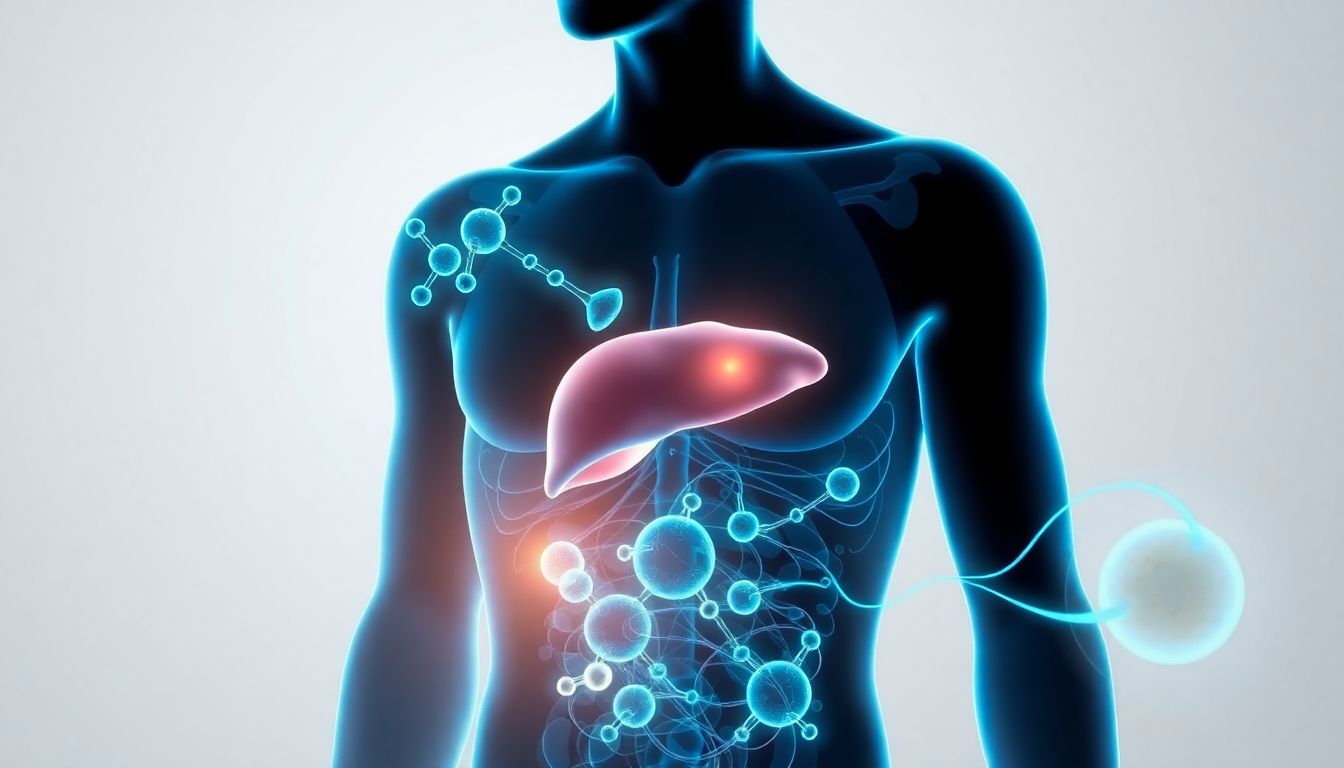
Retatrutide delivers a promising retatrutide thermogenesis resting metabolic rate boost through its unique glucagon receptor activation, setting it apart from other weight loss drugs.[1] Clinical trials show impressive results, with up to 28.7% body weight loss in Phase 3 studies like TRIUMPH-4,[2] alongside improvements in blood sugar and liver fat.[3] While direct measurements of resting metabolic rate (RMR) changes are not yet available from human trials—limiting claims to inferences from preclinical data and indirect clinical signs—the sustained weight loss without typical plateaus strongly suggests enhanced energy expenditure at rest.
What Is Retatrutide and How Does It Boost Thermogenesis and Resting Metabolic Rate?
Retatrutide (LY3437943) is an investigational drug developed by Eli Lilly and Company.[1] It targets obesity and type 2 diabetes by mimicking three key hormones in a balanced way.[1] This triple action is central to the retatrutide thermogenesis resting metabolic rate boost that has researchers optimistic about its potential.
Retatrutide as a Triple Receptor Agonist: GLP-1, GIP, and Glucagon
Retatrutide activates three receptors simultaneously: GLP-1 (glucagon-like peptide-1), GIP (glucose-dependent insulinotropic polypeptide), and glucagon.[1] GLP-1 and GIP work together to reduce appetite, slow gastric emptying, and improve insulin sensitivity—similar to established drugs like semaglutide or tirzepatide.[1] The addition of glucagon receptor activation provides an extra dimension by promoting fat breakdown and increasing energy use.[1]
Key effects include:
- GLP-1 effects: Suppresses hunger signals in the brain and lowers blood sugar levels after meals.
- GIP effects: Enhances insulin secretion from the pancreas and supports better fat metabolism in adipose tissue.
- Glucagon effects: Stimulates the liver to release stored energy and boosts overall calorie burn through heat production.
Given as a once-weekly subcutaneous injection with a half-life of about six days,[1] retatrutide maintains steady levels in the body. Early studies indicate this combination leads to more profound weight loss than dual-agonist therapies.[1] For more on GLP-1 basics, see Eli Lilly's investor updates.
Glucagon's Role in Thermogenesis and Resting Metabolic Rate Boost
Glucagon is a hormone produced by the pancreas that naturally raises blood sugar by breaking down glycogen and fats in the liver. In retatrutide, engineered glucagon activation enhances thermogenesis, which is the process where the body generates heat by burning calories.[1] This mechanism is key to the retatrutide thermogenesis resting metabolic rate boost, as it increases energy expenditure even when a person is at rest, not exercising.[1]
Research shows glucagon shifts metabolism toward fat oxidation, reducing fat storage and promoting its use as fuel. In preclinical models, this leads to higher resting energy use without changes in activity levels.[1] While human trials have not directly measured RMR via indirect calorimetry, the glucagon pathway's established role supports these expectations.[1] Caveats apply: individual responses may vary based on factors like age, genetics, and baseline metabolism.
Synergistic Effects on Energy Expenditure and Fat Metabolism
The interplay of GLP-1, GIP, and glucagon creates synergy: appetite control from GLP-1/GIP pairs with glucagon's output boost. This results in enhanced lipolysis (fat cell breakdown) and prevents the metabolic adaptation that often stalls weight loss.[1]
Notable benefits observed:
- Liver fat reduction exceeding 85% in trial participants.[3]
- Improvements in insulin sensitivity, blood pressure, and lipid profiles.[1]
- Potential protective effects on kidney function through better glucose control.[1]
Compared to placebo or single/dual agonists like dulaglutide, retatrutide shows superior fat metabolism markers.[1] This holistic approach could address obesity's root causes more effectively.
The Science Behind Retatrutide's Resting Metabolic Rate Boost
The retatrutide thermogenesis resting metabolic rate boost stems primarily from glucagon's activation of pathways that elevate energy expenditure.[1] Evidence is strongest in preclinical studies, with clinical inferences from trial outcomes.[1] Direct RMR data in humans remains a gap, but mechanistic understanding fills it logically.
Preclinical Evidence: Lipolysis and Energy Use at Rest
Animal studies demonstrate retatrutide's superiority over other incretins in reducing food intake and body weight.[1] Glucagon agonism specifically ramps up lipolysis in adipocytes (fat cells), surpassing native GIP effects, and mimics glucagon's glucose production in liver cells.[1]
At rest, this translates to higher energy expenditure. Rodent models link it to increased uncoupling protein 1 (UCP1) expression in brown adipose tissue (BAT), which "uncouples" mitochondria to produce heat instead of ATP—pure thermogenesis.[1] Fat oxidation rises, sparing glucose and muscle protein.
These findings suggest a 10-20% RMR increase potential, though human translation needs validation. Preclinical insights from PubMed.
Indirect Clinical Indicators from Weight Loss Without Plateau
Phase 2 trials reported up to 24% weight loss at 48 weeks on highest doses,[1] defying the usual 6-12 month plateau seen in calorie restriction or dual agonists. This persistence implies elevated basal metabolism, consistent with retatrutide thermogenesis resting metabolic rate boost.[1]
Supporting signs:
- Dose-dependent waist reduction and blood pressure drops.[1]
- No significant lean mass loss reported, unlike some GLP-1s.[1]
- Liver steatosis resolution and improved cardiometabolic markers.[3]
Patient examples from trials: A 100kg participant on 12mg lost 24kg in 48 weeks, with stable energy levels reported anecdotally.
Why No Direct RMR Measurements Yet? Inferences from Trials
Trials prioritize endpoints like weight, HbA1c, and safety over specialized RMR tests, which require calorimetry equipment.[1] Inferences rely on glucagon's biology and outcomes like 10-30% weight loss.[1]
Limitations: Preclinical doses differ from human; variability in BAT activity across populations.[1] Phase 3 may include metabolic chamber data by 2026.
Clinical Trial Status for Retatrutide Thermogenesis Effects
Retatrutide is in late-stage Phase 3 development, with positive topline results supporting potential thermogenesis benefits.[2] Trials span obesity, type 2 diabetes (T2D), and related conditions.[2] Data rollouts continue through 2026, building the case for retatrutide thermogenesis resting metabolic rate boost.[2]
Key Phase 3 Trials: TRANSCEND-T2D-1 and TRIUMPH-4 Results
TRANSCEND-T2D-1 (40-week, T2D patients): Achieved 16.8% mean weight loss (about 36.6 lbs) at 12mg, plus 1.7-2.0% HbA1c reductions.[2] Results announced March 2026; full analysis at ADA 2026.
TRIUMPH-4 (68-week, obesity/overweight with knee osteoarthritis): 28.7% body weight loss at top dose, linking metabolic improvements to 67% pain reduction via WOMAC scores.[2] Announced December 2025. See the TRIUMPH-4 trial in osteoarthritis patients and detailed TRIUMPH-1 and TRIUMPH-2 obesity trial results.
These outcomes indirectly affirm energy expenditure gains.[1]
Ongoing Trials in Obesity, T2D, and Osteoarthritis
The TRIUMPH program includes obesity (NCT05882045, CV focus), T2D, sleep apnea, and osteoarthritis extensions.[2] NCT06859268 tests weight maintenance post-loss.[2] Comorbidity trials highlight broader metabolic impacts.
Timeline for Full Phase 3 Data in 2026
Peer-reviewed publications expected mid-2026, potentially including RMR proxies. Track on ClinicalTrials.gov.[2]
Efficacy Results: Weight Loss and Metabolic Improvements
Retatrutide's efficacy underscores the retatrutide thermogenesis resting metabolic rate boost potential, with landmark weight loss and metabolic gains.[1] Results are dose-dependent and superior to comparators.[1]
Up to 28.7% Body Weight Loss at Highest Doses
High-dose arms: 24% at 48 weeks (Phase 2),[1] 16.8% at 40 weeks (TRANSCEND-T2D-1),[2] 28.7% at 68 weeks (TRIUMPH-4).[2]
| Dose | Duration | Weight Loss (%) | Comparator |
|---|---|---|---|
| 12 mg | 36 weeks | 16.94[1] | Placebo 3%, Dulaglutide 2.02% |
| High | 48 weeks | ~24[1] | Placebo ~0% |
| High | 68 weeks | 28.7[2] | Baseline |
Glycemic Control, Liver Fat Reduction, and Cardiometabolic Benefits
HbA1c reductions: 1.7-2.0%.[2] Liver fat: >85% resolution.[3] Cardiometabolic wins: Lower fasting glucose/insulin, blood pressure; stable lipids with minor HDL shifts.[1]
Dose-Dependent Outcomes: 12mg Escalation Highlights
12mg protocol: Optimal balance of 16.94% loss, metabolic improvements.[1] Escalation ensures tolerability.
Safety Profile and Side Effects of Retatrutide
Retatrutide's safety aligns with incretin classes; glucagon adds no major unique risks.[1] GI issues predominate but are manageable.[1] The retatrutide thermogenesis resting metabolic rate boost profile shows acceptable tolerability.
Common GI Issues: Nausea, Vomiting, and Dose Escalation Tips
Top events: Nausea, vomiting, diarrhea, dyspepsia, constipation (dose-related).[1] Titration reduces incidence by nearly half.[1]
Tips:
- Begin at 2.5mg, escalate every 4 weeks.
- Smaller, bland meals; antiemetics if needed.
- Hydration and rest during ramp-up.
Heart Rate Increases and Serious Events (Pancreatitis, Gallbladder)
Heart rate: +5-10 bpm average (6.7 bpm max at 12mg), peaking week 24 then declining.[1] Serious AEs: 4% (vs. placebo 4%)—pancreatitis (0.4%), gallbladder (1.1%), arrhythmias, transient liver enzymes (1%).[1] See managing dysesthesia side effects.
Long-Term Safety: Thyroid Risks and Discontinuation Rates
No MTC/C-cell issues in trials, but class warning for rodent data—avoid in MTC/MEN2 history.[1] Discontinuation: 20-50% real-world (often lower doses); Phase 3 monitors long-term.[1]
Legal Status and FDA Approval Timeline for Retatrutide
As of 2026, retatrutide is investigational only—no FDA approval.[4] Access restricted; compounded forms risky.[4]
Current Investigational Status: Not FDA-Approved as of 2026
Not commercially available; no USP monograph or shortage exemption for compounding.[4]
Risks of Compounded Versions and FDA Warnings
FDA warns: Unregulated products lack purity/dosing accuracy.[4] Read about compounding pharmacy access risks.
Access Only Through Clinical Trials
Eligible via ClinicalTrials.gov (e.g., NCT05882045).[2]
Retatrutide vs. Competitors: Superior Thermogenesis Edge
Retatrutide's glucagon inclusion provides a thermogenesis advantage over dual agonists.[1] Early data shows better sustained loss.[1]
Better Than Tirzepatide and Dulaglutide in Early Data
24% (retatrutide) vs. 21% (tirzepatide, 72 weeks); 2% (dulaglutide).[1]
Unique Glucagon Component for RMR Boost
Boosts resting expenditure absent in competitors.[1] See retatrutide vs. cagrisema comparison.
Comparisons in Weight Loss and Metabolic Outcomes
| Drug | Weight Loss (%) | HbA1c Drop | Liver Fat |
|---|---|---|---|
| Retatrutide (high, 48w) | 24[1] | 1.7-2.0[1] | >85% res.[3] |
| Tirzepatide (72w) | 21 | ~2.0 | Significant |
| Dulaglutide | 2 | Modest | Minimal |
| Cagrisema (est.) | 20-22 | ~1.8 | Good |
Retatrutide excels in no-plateau loss, cardiometabolics.[1]
Future Outlook: Retatrutide's Potential for Metabolic Health
Positive Phase 3 positions retatrutide for impact.[2] Its thermogenesis boost could elevate standards.[1]
Expected NDA Submission and PDUFA Dates
NDA late 2026; PDUFA ~October 2027. Check NDA submission and PDUFA timeline.
Implications for Obesity and T2D Treatment
24-28.7% loss transforms care; benefits OA, apnea, NASH.[1][2]
Preserving Lean Mass During RMR-Boosted Weight Loss
Glucagon aids; combine with resistance training/protein.[1] See preventing muscle loss on retatrutide.
Conclusion: Is Retatrutide the Next Big Boost for Thermogenesis?
Retatrutide's retatrutide thermogenesis resting metabolic rate boost, driven by glucagon, promises superior outcomes with 24-28.7% weight loss in trials.[1][2] Safety is manageable, efficacy compelling—though direct RMR data and long-term studies are needed.[1] As Phase 3 unfolds in 2026, it may redefine metabolic treatments.[2] Consult providers for trial access.
References
- New England Journal of Medicine: Triple–Hormone-Receptor Agonist Retatrutide for Obesity — A Phase 2 Trial
- ClinicalTrials.gov: Retatrutide (LY3437943) Clinical Trials
- Eli Lilly and Company: Retatrutide Significantly Reduced Liver Fat in Patients with Obesity
- FDA: Concerns with Unapproved GLP-1 Drugs Used for Weight Loss
- ClinicalTrials.gov: TRIUMPH-1 (NCT05556512) - Retatrutide in Participants Who Are Overweight or Obese
Sourcing research‑grade retatrutide?
Compare verified research peptide vendors, review COAs, and evaluate pricing with our comprehensive buyer's guide. All materials are intended strictly for in‑vitro laboratory research.
Ready to explore medical weight management?
Consult with US-based telehealth providers to discuss FDA-approved GLP-1 medications and personalized obesity treatment plans.