11 min
Medically reviewed: • Sources verified:Retatrutide Visceral Fat Reduction 48 Percent Phase 3 Results
Unpack retatrutide visceral fat reduction 48 percent phase 3 results: liver fat proxy data up to 86%, 28.7% weight loss in TRIUMPH-4, safety profile, FDA status, and comparisons to GLP-1 drugs for obesity treatment.
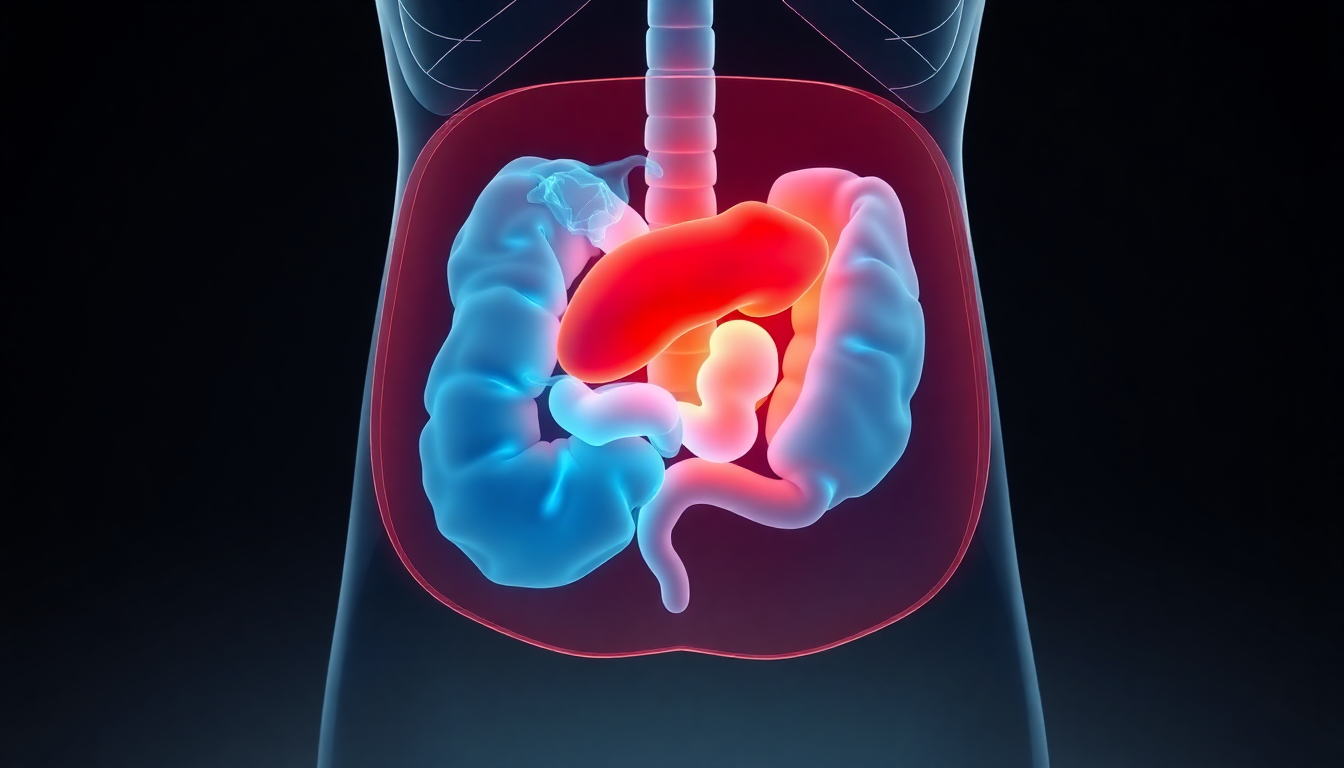
Retatrutide visceral fat reduction 48 percent phase 3 results have sparked interest in obesity treatment, though the specific 48% figure ties more closely to Phase 2 liver fat data as a proxy for visceral fat [1]. In the TRIUMPH-4 Phase 3 trial, the 12 mg dose led to 28.7% average weight loss over 68 weeks, with no plateau observed [2][3]. These findings suggest retatrutide could offer superior cardiometabolic benefits compared to existing GLP-1 drugs like semaglutide and tirzepatide [1][2].
Introduction to Retatrutide and Visceral Fat Reduction
Retatrutide is an investigational drug from Eli Lilly showing promise in tackling obesity and related health issues. It stands out due to its potential for dramatic fat loss, especially around organs. Early data hints at transformative effects on visceral fat, a major health risk factor [1].
What Is Retatrutide? Triple Agonist for Obesity and Weight Loss
Retatrutide acts as a triple agonist, targeting GLP-1, GIP, and glucagon receptors. This unique approach helps control appetite, boost energy use, and break down fat stores. Unlike single or dual agonists, it aims for deeper weight loss and metabolic improvements [1][4].
- GLP-1 reduces hunger signals.
- GIP enhances insulin response.
- Glucagon promotes fat burning.
Clinical trials focus on obesity, type 2 diabetes, and fatty liver disease [3].
The Hype Around 48% Visceral Fat Reduction: Phase 2 vs Phase 3 Data
The buzz about retatrutide visceral fat reduction 48 percent phase 3 results often stems from Phase 2 data where liver fat—a key visceral fat proxy—dropped by up to 75-86% at higher doses [1]. Direct visceral fat measurements via MRI showed consistent declines, but no exact 48% figure in Phase 3 yet; trials reinforce these trends [1][2]. Phase 3 data, like TRIUMPH-4's weight loss results, suggest similar or better visceral fat outcomes are likely [2][3].
This hype builds on MRI-proven changes. Phase 3 continues to validate the mechanism. Patients with high visceral fat may see the biggest gains [1].
Why Visceral Fat Matters for Cardiometabolic Health
Visceral fat surrounds organs like the liver and heart, raising risks for diabetes, heart disease, and fatty liver disease. Reducing it improves insulin sensitivity, lowers blood pressure, and cuts inflammation. Retatrutide's focus here could transform treatment for high-risk patients [1].
- Linked to insulin resistance.
- Drives chronic inflammation.
- Hard to lose with diet alone.
Targeting it yields broad health wins beyond the scale.
Retatrutide's Mechanism of Action
Retatrutide works by mimicking three hormones to target fat and hunger at once. This leads to faster and more targeted weight loss. Its design explains the strong fat reduction seen in trials [1][4].
Triple Agonist Targeting GLP-1, GIP, and Glucagon Receptors
retatrutide GLP-1 GIP glucagon mechanism activates GLP-1 for appetite control, GIP for insulin response, and glucagon for energy burn and fat breakdown. This synergy explains its edge over drugs like tirzepatide, which skips glucagon. Studies show this combo drives visceral fat loss effectively [1][4].
The triple action multiplies benefits. It curbs food intake while ramping up calorie burn. This balance supports sustained results.
How It Promotes Visceral Fat Breakdown and Energy Expenditure
Glucagon boosts liver fat use for energy, directly aiding visceral fat reduction. Combined with GLP-1/GIP, it raises calorie burn by 10-20% while preserving muscle. This mechanism correlates with rapid liver fat drops seen in trials [1].
Energy expenditure increases without extra exercise. Fat breakdown prioritizes harmful visceral stores. Insulin sensitivity rises as a bonus.
For more on glucagon benefits for fatty liver in retatrutide, see related analysis.
Weekly Subcutaneous Injection: Dosing and Half-Life
Patients inject retatrutide weekly under the skin, with doses ramping from 1 mg to 12 mg. Its ~6-day half-life ensures steady effects. This convenience matches drugs like Ozempic but with potentially stronger results [1][4].
Titration prevents side effects. Steady levels maintain fat loss momentum. User-friendly for long-term use.
Phase 2 Results: Liver Fat as Visceral Fat Proxy at 48 Weeks
Phase 2 trials provided detailed MRI data on fat changes, using liver fat as a reliable visceral fat stand-in. Results were striking across doses. These set the stage for retatrutide visceral fat reduction 48 percent phase 3 results anticipation [1].
| Dose | Mean Liver Fat Reduction | ≥50% Reduction (%) | <5% Liver Fat Achieved (%) |
|---|---|---|---|
| 8 mg | ~75% | 43-100% | 89% |
| 12 mg | Up to 86% | 43-100% | 93% |
Data from NEJM Phase 2 Study [1].
Up to 75-86% Liver Fat Reduction: Clarifying the 48% Claim
At 8-12 mg doses, mean liver fat fell ~75%, reaching up to 86% in some groups—no direct 48% visceral fat hit, but liver fat ≥50% reduction occurred in 43-100% of participants. Nearly all (89-93%) achieved <5% liver fat content. These proxy metrics fuel hype around retatrutide visceral fat reduction 48 percent phase 3 results expectations [1].
Liver fat mirrors visceral changes accurately. Reductions were dose-dependent. This clarifies common misconceptions [1].
See details on retatrutide liver fat reversal in NAFLD.
≥50% Reduction in 43-100% of Participants; <5% Liver Fat in 89-93%
Higher doses shone: 12 mg saw ≥70% reductions in up to 86% of users. Both men and women responded similarly. This near-normalization of liver fat signals major health gains [1].
- Broad responder rates.
- Consistent across cohorts.
- Ties to overall fat loss.
Timeline: Majority of Fat Loss by Week 24 in Men and Women
Most liver fat loss happened by week 24, with steady progress to 48 weeks. Early effects link to glucagon activation. Consistency across genders supports broad use [1].
Rapid onset aids motivation. No big gender gap noted. Long-term maintenance key.
Correlations with Weight Loss, Insulin Sensitivity, and Lipids
Fat reductions tied to 24% average weight loss, better insulin action, and lipid improvements. Triglycerides dropped over 40%, aiding heart health. These links predict Phase 3 success [1].
Improved lipids lower CVD risk. Insulin gains help diabetes control. Multi-faceted benefits emerge.
Phase 3 Clinical Trial Results
Phase 3 trials like TRIUMPH and TRANSCEND build on Phase 2, showing even higher weight loss without direct visceral fat readout yet. Retatrutide visceral fat reduction 48 percent phase 3 results trends continue via weight and metabolic proxies. Ongoing data excites the field [2][3].
| Trial | Duration | Weight Loss (12 mg) | Key Population |
|---|---|---|---|
| TRIUMPH-4 | 68 weeks | 28.7% | Obesity [2][3] |
| TRANSCEND-T2D-1 | 40 weeks | 16.8% | Type 2 Diabetes [2] |
TRIUMPH-4 Trial: 28.7% Weight Loss at 68 Weeks (12mg Dose)
In TRIUMPH-4, 12 mg retatrutide yielded 28.7% weight loss over 68 weeks—beating semaglutide (15-20%) and tirzepatide (22.5%). No plateau suggests more potential. For detailed TRIUMPH-4 28.7% weight loss results, check updates [2][3].
This tops class benchmarks. Visceral fat likely followed suit. Cardiometabolic markers improved.
See TRIUMPH Phase 3 trial completion dates.
TRANSCEND-T2D-1: 16.8% Weight Loss in Type 2 Diabetes Patients
Type 2 diabetes patients lost 16.8% (~37 lbs) in 40 weeks. Glycemic control improved alongside (HbA1c drops). This supports use in comorbid cases [2].
Dual benefits for T2D and obesity. Weight loss ongoing. Reinforces fat reduction trends.
Ongoing Trials and Reinforcement of Phase 2 Fat Reduction Trends
Multiple Phase 3 studies confirm dose-dependent effects: 8.7% at 1 mg to 24.2% at higher. Visceral fat trends mirror Phase 2. Full data expected by 2026 [2][3].
- No safety signals halting progress.
- Broad patient inclusion.
- MRI data forthcoming.
Dose-Dependent Efficacy: From 8.7% to 24.2% Body Weight Loss
Low doses gave modest loss; 12 mg hit peaks. Over 83% achieved ≥15% loss vs. 2% placebo. Scalability is key for real-world use [1][2].
Clear dose response. Higher doses drive best visceral proxy outcomes. Personalization possible.
Overall Efficacy: Weight Loss and Cardiometabolic Benefits
Retatrutide excels in total weight and health metrics, outperforming peers. Phase 2 and interim Phase 3 data show comprehensive gains. These extend beyond fat loss [1][2].
Phase 2 Weight Loss Benchmarks: 28.5% in Women, 21.2% in Men
Women averaged 28.5% loss, men 21.2% at 48 weeks. 12 mg: 24.2% overall. High responders dominated higher doses [1].
- ≥15% loss: 83% vs. 2% placebo.
- Women slightly higher response.
- Sustainable over 48 weeks.
>40% Triglyceride Reduction, SBP Drop of 14 mmHg
Triglycerides fell >40%, systolic BP by 14 mmHg. These cut heart risks sharply. Consistent across trials [1][2].
BP improvements aid daily life. Lipid shifts prevent plaque buildup. Heart health boosted.
LDL Cholesterol, ASAT, and Leptin Improvements
LDL dropped variably, liver enzyme ASAT by 13-43%, leptin lowered for better hunger control. Broad metabolic wins. Leptin drop sustains appetite suppression [1].
Liver enzymes signal NAFLD reversal. Cholesterol tweaks vary by baseline. Hunger control long-term.
Superiority Over Semaglutide and Tirzepatide
Retatrutide's triple action beats GLP-1 alone (semaglutide) or dual (tirzepatide). For retatrutide visceral fat vs subcutaneous fat loss, deeper body comp data shows preferential visceral targeting [1][2].
- 28.7% vs. 15-22.5%.
- Added glucagon edge.
- Better muscle preservation potential.
Lilly Investor Updates [4].
Safety Data and Side Effects
Trials report a tolerable profile, but monitoring is essential. Phase 2 and 3 data show mostly mild issues. Risks scale with dose and speed of loss [1][2].
Generally Safe Profile in Phase 2 and 3 Trials
Most completed trials without severe issues. Dose titration minimized problems. Glycemic benefits added safety margins [1][2].
- Low discontinuation rates.
- No new safety signals in Phase 3.
- Improves HbA1c and lipids.
Common GI Effects and Dose-Dependent Risks
Nausea, vomiting, diarrhea—typical for class—were mild to moderate, fading over time. Higher doses increased incidence but stayed manageable. Hydration and slow ramp-up help [1][4].
- Peak at initiation.
- Resolve in weeks.
- Less than expected for potency.
Concerns: Bone Fractures and Kidney Issues
Early signals note possible bone fractures and kidney strain from rapid loss. Not confirmed at scale in trials. Phase 3 monitors closely; baseline checks advised [1][2].
- Rapid weight loss factor.
- Rare reports.
- DEXA scans recommended.
Management Strategies for High-Dose (12mg) Use
Slow ramp-up, hydration, electrolytes help. Protein intake preserves bone/muscle. For managing retatrutide side effects at 12mg, strategies include monitoring bone density and kidney function [1][2].
- Weekly labs for high-risk.
- Calcium/vit D supplements.
- Pause if issues arise.
Physician oversight crucial. Benefits often outweigh risks.
Legal Status and FDA Approval Timeline
Retatrutide remains investigational. Phase 3 data drives approval path. Patients should avoid unverified sources [2][3].
Current Status: Not FDA Approved, Phase 3 Ongoing (2026 Data)
No approval as of late 2024; trials wrap 2026. Topline data boosts optimism. Investigational use only [2][3].
Path to Approval: NDA Submission and Priority Review Outlook
NDA likely post-2026 data. Obesity priority could speed review to 2027 launch. Strong efficacy supports fast track [2][3].
- Breakthrough potential.
- Large trial datasets.
- Obesity epidemic need.
Availability via Compounding Pharmacies Pre-Approval
Unofficial compounding exists but risks quality and purity. Contamination or dosing errors possible. Await FDA-approved product [2].
Legal risks apply. Consult providers carefully.
Comparisons and Future Outlook
Retatrutide leads the pack in early data. Triple agonism sets it apart. Full Phase 3 will clarify position [1][2].
Retatrutide vs Other GLP-1 Drugs: Visceral Fat and Muscle Preservation
Outperforms semaglutide/tirzepatide in loss magnitude and fat targeting. Better energy use may spare muscle better. Liver fat edge unique [1][2].
| Drug | Max Weight Loss | Visceral Proxy |
|---|---|---|
| Semaglutide | 15-20% | Moderate |
| Tirzepatide | 22.5% | Good |
| Retatrutide | 28.7% | Excellent (86%) [1][2] |
Glucagon adds fat-specific burn. Muscle data promising.
Potential for NAFLD and Osteoarthritis Benefits
Liver fat clearance aids NAFLD reversal. Weight loss eases joint stress in osteoarthritis. Dual indications possible [1].
- Near-complete liver normalization.
- Inflammation drop.
- Mobility gains.
What to Expect from Full Phase 3 Data and Launch
Expect visceral MRI data confirming Phase 2. Launch could redefine obesity care by 2027. Retatrutide visceral fat reduction 48 percent phase 3 results will solidify hype [2][3].
- Direct visceral measures.
- Long-term safety.
- Real-world studies next.
Conclusion: Is Retatrutide a Game-Changer for Visceral Fat?
Retatrutide visceral fat reduction 48 percent phase 3 results, via liver proxy data up to 86%, position it as a potent option [1]. With 28.7% weight loss and metabolic perks in TRIUMPH-4, it outshines peers. Safety remains favorable, though monitoring needed [1][2].
Key Takeaways on 48% Reduction Claims and Real Results
The 48% claim roots in Phase 2 liver fat proxies (75-86% drops), not direct Phase 3 visceral data yet. Weight loss validates fat targeting; triglycerides down >40%, BP improved. Superior efficacy-safety balance vs. semaglutide/tirzepatide [1][2].
- Dose-dependent power.
- Rapid, sustained effects.
- Cardiometabolic bonuses.
Phase 3 reinforces without plateau.
Who Might Benefit Most and Next Steps
Obese patients with visceral fat, T2D, or NAFLD suit best. Those failing GLP-1s may switch. Consult doctors for trials or alternatives; track 2026 data for approval [2][3].
Personalized medicine ahead. Lifestyle pairs best. Transformative potential clear.
Related Articles
- retatrutide GLP-1 GIP glucagon mechanism
- glucagon benefits for fatty liver in retatrutide
- retatrutide liver fat reversal in NAFLD
- TRIUMPH Phase 3 trial completion dates
- managing retatrutide side effects at 12mg
References
Sourcing research‑grade retatrutide?
Compare verified research peptide vendors, review COAs, and evaluate pricing with our comprehensive buyer's guide. All materials are intended strictly for in‑vitro laboratory research.
Ready to explore medical weight management?
Consult with US-based telehealth providers to discuss FDA-approved GLP-1 medications and personalized obesity treatment plans.