7 min
Retatrutide Visceral Fat Reduction Vs Subcutaneous Fat Loss Body Composition
Explore the latest clinical data on how Retatrutide impacts visceral vs. subcutaneous fat. Understand its role in body composition, safety, and current FDA status.
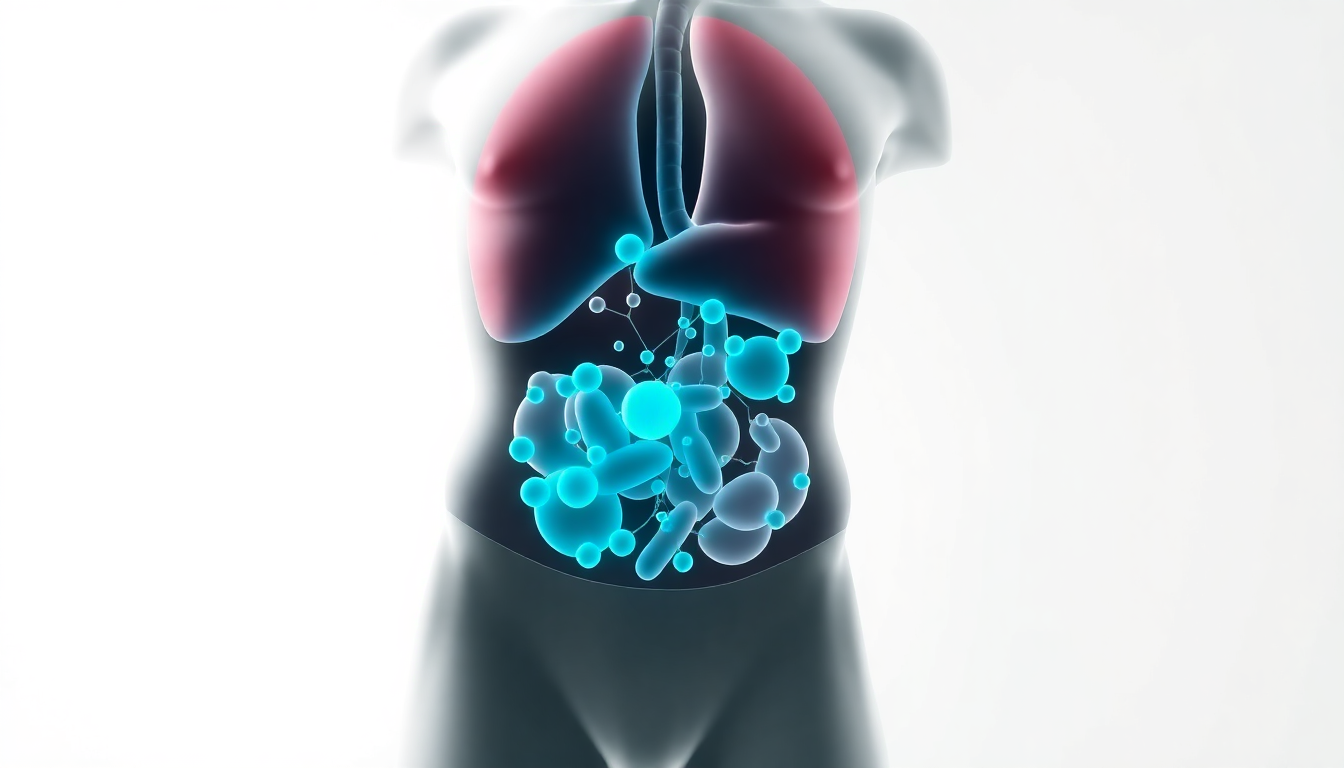
Recent clinical developments have shifted the focus of weight management from simple scale weight to the quality of tissue lost. The investigational triple-agonist, Retatrutide, has demonstrated significant potential in shifting body composition, specifically regarding retatrutide visceral fat reduction vs subcutaneous fat loss body composition outcomes [1].
Understanding Body Composition: Visceral vs. Subcutaneous Fat
To understand how new weight loss therapies work, we must distinguish between the two primary types of adipose tissue. Not all fat is stored equally, and the metabolic impact of these stores differs significantly.
What is visceral fat and why it matters for metabolic health
Visceral fat is the internal fat that wraps around vital organs like the liver, pancreas, and intestines. Unlike fat stored just under the skin, visceral fat is metabolically active and secretes inflammatory substances. High levels of visceral fat are strongly linked to an increased risk of type 2 diabetes, heart disease, and metabolic syndrome. Reducing this specific type of fat is often the primary goal in clinical settings to improve long-term cardiovascular health.
Defining subcutaneous fat: The role of fat storage
Subcutaneous fat is the "pinchable" fat located directly beneath the skin. While it provides insulation and energy storage, it is generally considered less dangerous to metabolic health than visceral fat. Most traditional weight loss interventions, such as calorie-restricted diets, primarily result in the loss of subcutaneous fat. Modern pharmacological treatments are increasingly being evaluated for their ability to specifically target the more harmful visceral deposits [2].
Why body composition metrics matter more than total weight loss
Total body weight is a blunt instrument for measuring health. A person can lose weight by losing muscle mass, water, or bone density, none of which improve metabolic health. When analyzing comparative body composition analysis, researchers look for a reduction in fat mass while prioritizing the preservation of lean muscle tissue. A superior therapy is one that preferentially targets pathological fat stores while maintaining the functional integrity of the musculoskeletal system.
The Science of Triple Agonism
Retatrutide functions as a triple hormone receptor agonist, targeting the GLP-1, GIP, and glucagon receptors simultaneously. This synergy is unique. While GLP-1 and GIP receptors primarily manage appetite and insulin secretion, the addition of the glucagon receptor agonist helps stimulate the breakdown of stored fat. This creates a powerful metabolic environment that may favor the mobilization of visceral fat stores, which are often resistant to standard caloric restriction. By accelerating energy expenditure, the body is better equipped to utilize fat as a fuel source rather than relying solely on muscle protein catabolism.
Retatrutide Efficacy: Insights into Fat Distribution Changes
Data from phase 2 trials suggest that patients treated with Retatrutide experience profound changes in their body composition [3]. When examining how the drug influences fat distribution, it appears to induce a significant reduction in total fat mass. These long-term weight loss results indicate that participants achieve a leaner profile that extends beyond what is typically seen with single or dual-agonist therapies.
Comparing results to placebo and other therapies
In head-to-head comparisons, Retatrutide has shown a faster and more robust rate of fat loss. While placebo groups often show minimal changes in visceral fat, those on the active compound demonstrate a clear "shrinking" of the abdominal cavity as measured by specialized imaging. This suggests that the metabolic signaling cascade triggered by the triple-agonist is more effective at reprogramming the body's fat storage priorities.
| Feature | GLP-1 Monotherapy | Dual Agonist (GLP-1/GIP) | Retatrutide (Triple) |
|---|---|---|---|
| Primary Action | Appetite Suppression | Appetite + Insulin | Appetite + Insulin + Fat Mobilization |
| Visceral Fat Loss | Moderate | High | Very High |
| Muscle Preservation | Variable | Good | Excellent |
Lifestyle Factors and Medication Interaction
Medication alone is rarely the total solution for sustainable body composition changes. Clinical data suggests that patients who pair Retatrutide with a high-protein diet and resistance exercise see the best results. Protein intake is critical to prevent lean muscle mass loss during the rapid fat reduction phases facilitated by the medication. Resistance training provides the stimulus necessary to signal the body to retain muscle, ensuring that the weight lost is primarily adipose tissue rather than functional muscle.
Safety Profile and Side Effects in Clinical Trials
As with any potent metabolic agent, understanding the risks is essential for patient safety. The rapid shift in body composition must be balanced against the tolerability of the medication.
Monitoring metabolic health and adverse events
Clinical trials have closely monitored participants for common gastrointestinal issues, which are typical for this class of medication. However, researchers are also tracking safety monitoring and potential side effects that may arise from the rapid mobilization of fatty acids. Ensuring that liver enzymes and kidney function remain stable during the period of intensive weight loss is a priority for investigators [4].
Addressing potential risks of rapid body composition changes
Rapid fat loss can sometimes lead to a "rebound" effect or unexpected metabolic stress. The clinical team monitors for signs of muscle wasting, ensuring that the weight loss is predominantly adipose-driven. Patients are often encouraged to pair the medication with resistance training to ensure that as visceral fat is lost, the underlying muscle structure is supported.
Regulatory Status and FDA Approval Timeline
The excitement surrounding Retatrutide is tempered by the reality of the regulatory process. As of 2026, the drug remains in the final stages of clinical evaluation.
Current legal status of Retatrutide in 2026
Retatrutide is currently not FDA-approved for public sale or prescription. While it has moved through successful phase 2 and into late-stage phase 3 trials, it is not yet available at pharmacies. Patients seeking current regulatory status and availability should be aware that any product currently sold under this name outside of a clinical trial may not be regulated or safe.
The path to FDA approval: What to expect
The FDA requires rigorous evidence of both safety and efficacy before a drug can reach the market. The current focus is on finalizing large-scale trials that confirm the benefits of fat reduction across a diverse patient population. Once these trials conclude, the data will be submitted for a New Drug Application (NDA) review.
Clinical Implications for Metabolic Disease Management
The potential for this medication goes beyond cosmetic weight loss; it represents a new frontier in the treatment of chronic metabolic conditions.
Impact on liver fat and MASLD reversal
One of the most exciting applications of this therapy is the reduction of visceral fat in the liver. Metabolic dysfunction-associated steatotic liver disease (MASLD) is a major consequence of visceral fat accumulation. By effectively targeting these stores, Retatrutide may help reverse liver inflammation and fibrosis, potentially preventing the progression to cirrhosis.
Secondary health benefits: Inflammation and joint health
Excessive visceral fat acts as a factory for systemic inflammation. As this fat is reduced, many patients report improvements in markers of inflammation, such as C-reactive protein (CRP). This systemic reduction often leads to decreased joint pain, improved mobility, and a better quality of life. The impact is not just on the scale, but on the functional health of the entire body.
Why comprehensive metabolic monitoring is required
Because Retatrutide changes how the body manages energy, it requires a doctor's oversight. Patients should undergo regular blood work, including liver function tests, glucose monitoring, and lipid panels. By tracking these metrics, clinicians can ensure that the medication is effectively improving health markers while minimizing any potential risks, truly capturing the benefits of improved body composition.
Related Articles
- Comparative body composition analysis
- Long-term weight loss results
- Safety monitoring and potential side effects
- Current regulatory status and availability
- Reduction of visceral fat in the liver
References
Model Your Retatrutide Kinetics & Titration
Calculate half-life decay curves, resting heart rate impact, and protein targets with our evidence-based metabolic calculators.
Ready to explore medical weight management?
Consult with US-based telehealth providers to discuss FDA-approved GLP-1 medications and personalized obesity treatment plans.