8 min
Retatrutide Vs Wegovy Muscle Preservation Comparison
Explore the clinical comparison between Retatrutide and Wegovy regarding muscle preservation. Understand how these GLP-1 therapies impact body composition and lean mass.
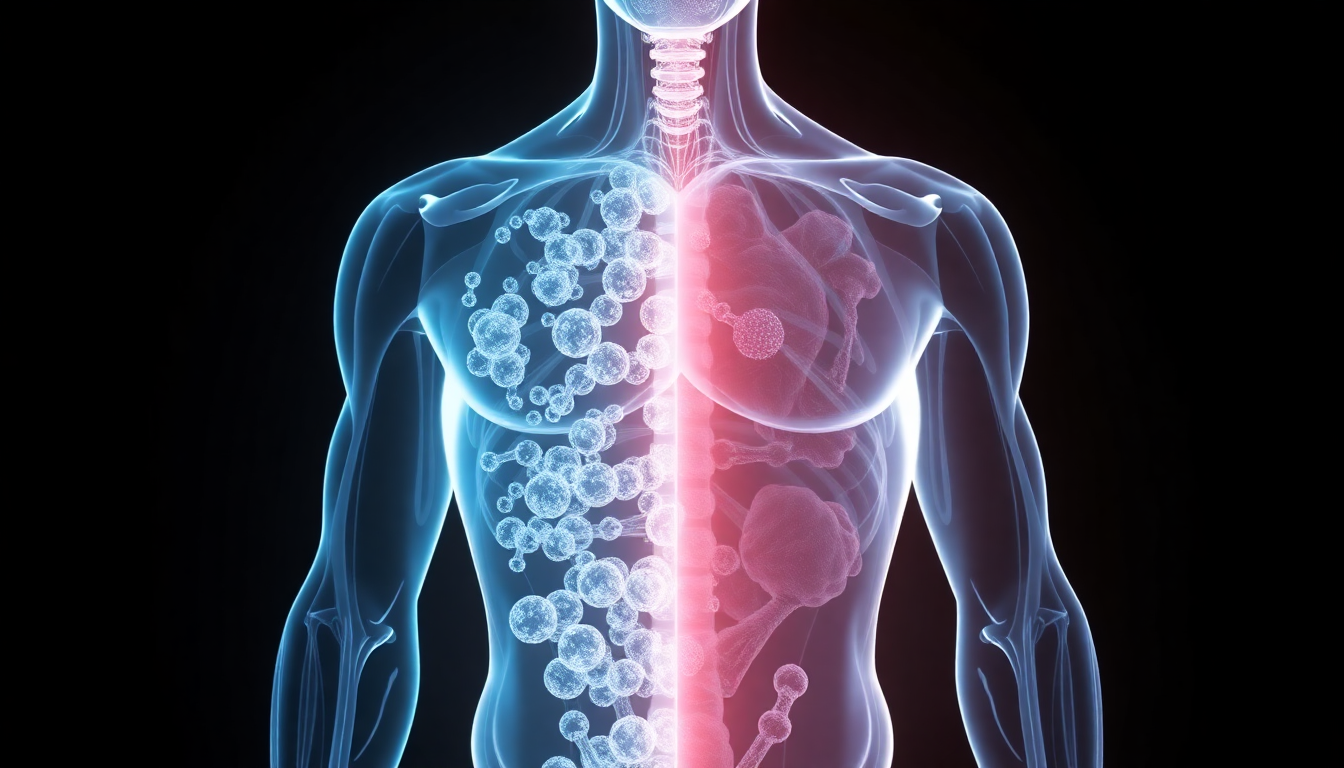
The landscape of obesity treatment is undergoing a fundamental transformation. As clinicians and patients move beyond simply tracking the scale, the focus has shifted toward preserving lean body mass while achieving significant fat loss, leading many to seek a retatrutide vs wegovy muscle preservation comparison to better understand their treatment options. This analysis is critical as we evaluate whether newer multi-agonist therapies offer superior body composition outcomes compared to established GLP-1 standards.
Introduction to Next-Generation Weight Loss Therapies
Recent advancements in pharmacology have introduced highly effective medications for weight management. These therapies do more than suppress appetite; they fundamentally alter metabolic signaling pathways.
The shift from simple weight loss to body composition management
Historically, weight loss was measured solely by the total number of pounds lost. However, modern medicine recognizes that losing weight without regard for composition often results in the loss of both fat and metabolically active muscle tissue. Preserving lean muscle is essential for maintaining a healthy metabolic rate, supporting physical strength, and ensuring long-term physical functionality.
Defining the mechanism of action: Wegovy vs. Retatrutide
Wegovy (semaglutide) acts as a GLP-1 receptor agonist, mimicking a hormone that signals fullness to the brain [1]. In contrast, retatrutide is a "triple agonist." It targets the GLP-1, GIP, and glucagon receptors simultaneously. This multi-receptor approach is designed to provide more robust metabolic improvements, though researchers are still evaluating how this influences the retatrutide vs wegovy muscle preservation comparison in long-term clinical settings [2].
Understanding Muscle Loss During Rapid Weight Loss
When the body enters a significant calorie deficit, it often breaks down muscle tissue for energy. This is a common hurdle in any weight loss journey, whether through diet alone or medication-assisted paths.
Why standard weight loss often leads to sarcopenia
When rapid weight loss occurs, the body may interpret the caloric restriction as a survival threat. Without specific interventions, the body may prioritize burning muscle to save energy. Understanding the clinical reality of muscle loss is vital for anyone starting a weight loss program, as sarcopenia—the loss of muscle mass and strength—can lead to decreased mobility and a lower resting metabolic rate.
The physiological impact of GLP-1 therapy on lean mass
GLP-1 receptor agonists like Wegovy effectively reduce body weight, but clinical studies indicate that a portion of that weight loss typically consists of lean mass. While this is expected during any calorie-restricted state, the intensity of the deficit can exacerbate the loss. The goal of newer therapies is to optimize the fat-to-muscle loss ratio, a central theme in the ongoing retatrutide vs wegovy muscle preservation comparison.
The Role of the Glucagon Receptor in Metabolism
To truly understand the retatrutide vs wegovy muscle preservation comparison, one must look at the specific biological mechanism of the glucagon receptor found in retatrutide.
Glucagon signaling and protein synthesis
While GLP-1 and GIP primarily regulate satiety and insulin secretion, the addition of glucagon receptor agonism in retatrutide is hypothesized to increase energy expenditure. By stimulating the glucagon receptor, the medication may encourage the body to oxidize stored fat more efficiently.
Metabolic rate and protein preservation
Theoretically, by upregulating resting energy expenditure, retatrutide may prevent the metabolic "slowdown" often seen with drastic calorie restriction. While research is ongoing, the hope is that this triple-agonist effect creates a more favorable hormonal environment for protein synthesis, potentially mitigating the muscle wasting that often accompanies rapid fat loss. Ongoing investigations into the retatrutide vs wegovy muscle preservation comparison suggest that glucagon agonism may be the key differentiator in how these drugs affect body composition.
Efficacy Comparison: Retatrutide vs. Wegovy
Comparing these two medications requires a look at how they interact with the body's complex hormonal feedback loops.
Wegovy's clinical track record for weight reduction
Wegovy has established itself as a reliable tool for weight management, with extensive data supporting its ability to reduce body weight by 15% or more in many patients [3]. Its long-term safety and efficacy profiles are well-documented, making it a standard of care for chronic weight management.
Retatrutide’s triple-agonist approach and potential advantages
Retatrutide represents a newer class of therapy. By engaging the glucagon receptor, it may theoretically boost energy expenditure, which could help maintain a more favorable body composition. The TRIUMPH trial data suggests that this triple-agonist mechanism might offer deeper weight loss results than single-receptor agonists.
Analyzing current trial data on body composition
While head-to-head trials are ongoing, preliminary evidence suggests that while weight loss is more profound with retatrutide, the challenge of preserving muscle remains a focus of clinical investigation. The retatrutide vs wegovy muscle preservation comparison will likely remain a key area of study as more long-term data becomes available through platforms like ClinicalTrials.gov [4].
Patient Case Study: Managing Expectations
Consider a patient, "John," who has struggled with obesity for years. When starting an injectable therapy, he is concerned about losing muscle. His physician emphasizes that the medication is not a "magic bullet" but a tool. By pairing his treatment with a structured resistance program and high protein intake, John is able to maintain a higher percentage of lean mass than he did during previous, non-medicated weight loss attempts. This illustrates why a retatrutide vs wegovy muscle preservation comparison must always include a discussion of lifestyle factors.
Safety and Tolerability
Both medications share common gastrointestinal side effects, such as nausea, vomiting, and diarrhea. These are usually dose-dependent and often subside as the body adjusts to the medication.
FDA approval status and clinical trial timelines
Wegovy is currently FDA-approved for weight management. Retatrutide is still in the late stages of clinical development. Patients looking for information regarding the FDA approval timeline should consult the most recent updates from the manufacturer and regulatory bodies to understand when it might become available for broader clinical use.
Long-term safety considerations
Long-term safety remains the primary focus for regulatory approval. Because these medications are intended for chronic use, researchers are carefully monitoring cardiovascular health, gallbladder function, and long-term changes in body composition to ensure that the benefits of weight loss are not offset by adverse physiological adaptations.
Strategies for Muscle Preservation During Treatment
Regardless of which medication is used, proactive management of body composition is essential for the best health outcomes.
Evidence-based resistance training protocols
Incorporating resistance training protocols is the most effective way to signal to the body that muscle tissue is necessary. Strength training, performed at least two to three times per week, helps counteract the catabolic effects of rapid weight loss.
Nutritional strategies to support lean mass
Protein intake is the most critical nutritional factor during weight loss. Consuming adequate high-quality protein helps provide the amino acids required for muscle maintenance. Clinicians often recommend a higher protein intake—often 1.2 to 1.5 grams per kilogram of body weight—for patients on injectable weight loss medications.
Emerging biohacking stacks for enhanced outcomes
Some individuals are exploring experimental biohacking stacks alongside their prescribed treatments. These may include specific supplements or advanced training techniques designed to further protect lean mass. However, these strategies should only be implemented under the strict guidance of a healthcare professional.
Limitations
It is important to acknowledge that clinical data regarding the retatrutide vs wegovy muscle preservation comparison is still evolving. Much of the current information is based on early-to-mid-stage trials, and individual responses to these medications can vary significantly based on genetics, baseline health status, and adherence to lifestyle modifications. Furthermore, long-term data regarding the sustainability of body composition improvements after discontinuing these medications is currently limited.
Implications and Future Outlook
The development of multi-agonist therapies like retatrutide marks a significant step forward in the treatment of obesity. By moving toward a more nuanced understanding of body composition, these medications offer the potential to improve metabolic health beyond simple weight reduction. As we look toward the future, the retatrutide vs wegovy muscle preservation comparison will likely inform how doctors prescribe these drugs, potentially tailoring them to a patient's specific metabolic profile. Ultimately, the best approach to weight management involves a combination of medical intervention and consistent lifestyle habits.
Related Articles
- Clinical Reality of Muscle Loss
- TRIUMPH Trial Data Insights
- FDA Approval Timeline Update
- Resistance Training Protocols
- Experimental Biohacking Stacks
FAQ
Does retatrutide offer better muscle preservation than Wegovy?
Currently, there is no direct clinical trial comparing the two drugs head-to-head regarding muscle preservation. While both medications cause weight loss that includes some lean mass reduction, researchers are still studying whether retatrutide’s unique triple-agonist mechanism provides a distinct advantage over Wegovy in preserving lean tissue.
Is retatrutide currently FDA-approved for weight loss?
As of now, retatrutide is still undergoing clinical trials and has not yet received FDA approval for weight management. Wegovy, however, is an FDA-approved medication specifically indicated for chronic weight management in adults with obesity or overweight.
Why is muscle mass lost during rapid weight loss?
When you lose weight quickly, your body often breaks down both fat and muscle tissue to meet its energy needs. This happens because the body struggles to distinguish between intentional calorie restriction and a survival-based energy shortage, which can lead to a decrease in overall muscle mass.
Are there side effects associated with muscle loss on these medications?
Losing muscle mass can lead to a decrease in your resting metabolic rate, which may make it harder to maintain weight loss over time. Patients on these therapies are often encouraged to pair their treatment with resistance exercise and adequate protein intake to help protect lean muscle tissue.
How does the triple-agonist mechanism differ from GLP-1?
The triple-agonist mechanism in retatrutide targets three separate receptors (GLP-1, GIP, and Glucagon) simultaneously. This is designed to create a more comprehensive metabolic shift compared to the single-receptor action of GLP-1 agonists like Wegovy, potentially leading to greater weight loss efficacy.
References
Model Your Retatrutide Kinetics & Titration
Calculate half-life decay curves, resting heart rate impact, and protein targets with our evidence-based metabolic calculators.
Ready to explore medical weight management?
Consult with US-based telehealth providers to discuss FDA-approved GLP-1 medications and personalized obesity treatment plans.